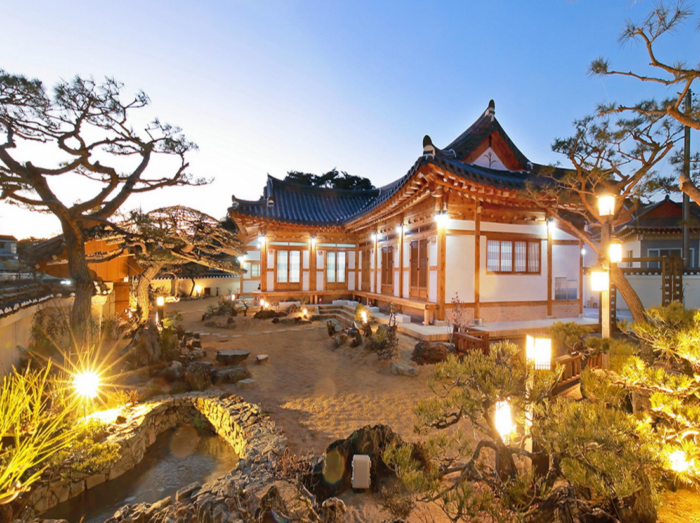
전주 한옥마을에서 지낼 땐, / 예약 전 체크리스트만큼이나 / 머무는 동안의 예절과 즐길 거리를 아는 것도 중요해.
Staying in Jeonju Hanok Village is about more than just picking the right place — / knowing the etiquette and the experiences worth trying during your stay matters just as much.
이 글에서는 한옥 스테이에서 주의할 점, 문화적 예절, 전통 체험, 전통놀이, 그리고 사진 촬영 팁까지 정리해봤어. / 숙소 고르는 팁이 필요하다면 1편도 같이 참고해봐.
This guide covers what to watch out for, cultural etiquette, traditional experiences, traditional games, and photography tips. / For help choosing where to stay, check out Part 1, linked at the end.
Hanok Stay Etiquette: Things to Be Careful About
Noise and Soundproofing
한옥은 나무와 한지로 만든 집이라 호텔처럼 완벽한 방음은 아니야.
A hanok is built from wood and traditional paper, so it doesn’t have hotel-level soundproofing.
늦은 밤에 크게 떠들거나 음악을 크게 틀면 / 다른 방에 소리가 잘 들릴 수 있어서, / 밤에는 조용히 이야기하고 공용 공간에서는 다른 손님을 배려하는 게 좋아.
Being loud or playing music late at night / can carry into other rooms, / so keep your voice down at night and be considerate of other guests in shared spaces.
Temperature and Ventilation
온돌 난방이라 바닥은 따뜻하지만, / 창·문 틈으로 약간 찬 공기가 들어올 수 있어.
The floor stays warm thanks to ondol heating, / but a bit of cold air can seep in through window and door gaps.
겨울에는 너무 얇게 입고 자면 추울 수 있으니 / 따뜻한 이너웨어·양말을 챙기는 걸 추천하고, / 여름에는 에어컨이 있어도 습도가 높을 수 있으니 선풍기·환기를 잘 활용해야 해.
In winter, sleeping in thin clothing can leave you cold, / so warm base layers and socks are a good idea; / in summer, humidity can stay high even with AC, so make good use of a fan and ventilation.
Bathroom Use
욕실이 방 안에 있는 곳도 있고, / 마당 건너 외부 공용 욕실인 경우도 있어.
Some places have the bathroom inside the room, / while others have an outdoor shared bathroom across the courtyard.
밤에 이동할 땐 조용히, 실내 슬리퍼를 신거나 조심해서 다니는 게 좋고, / 공용 욕실이라면 사용 후 물기 정리·청소를 가볍게 해주는 게 예의야.
Move quietly at night and wear indoor slippers or take care where you step, / and if it’s a shared bathroom, a quick wipe-down after use is good etiquette.
Structure, Stairs, and Courtyard
한옥은 문턱·계단·마루 높이가 일정하지 않을 수 있어서, / 밤에 다닐 때 발을 잘 봐야 해.
Thresholds, steps, and floor heights can be uneven in a hanok, / so watch your step when moving around at night.
아이와 함께라면 마당·계단에서 뛰다가 넘어지지 않도록 한 번 더 주의해주고, / 실내에서는 뛰지 않고 마루나 대청에서는 조용히 걷는 게 좋아.
If you’re with kids, keep an extra eye out so they don’t trip while running in the courtyard or on the steps, / and avoid running indoors — walk quietly on the wooden floors.
Insects and Allergies
나무·마당·정원이 있으니 작은 벌레는 어느 정도 있을 수 있어.
Since there’s wood, a courtyard, and a garden, small insects are somewhat to be expected.
모기향·모기약은 기본으로 준비하고, / 알레르기가 있으면 자신의 약도 챙겨가는 게 안전해.
It’s smart to bring mosquito coils or repellent as a basic precaution, / and pack your own allergy medication if you have allergies.
Food and Cleanliness
방 안에서 강한 냄새가 나는 음식(삼겹살, 튀김 등)을 조리하는 건 대부분 금지야.
Cooking strong-smelling food (like samgyeopsal or fried food) inside the room is usually not allowed.
배달 음식을 시켜도 쓰레기는 잘 분리해서 버리고, / 침구·마루 위에 음식물을 흘리지 않도록 방 안을 깔끔히 사용하는 게 중요해.
Even if you order delivery, sort your trash properly / and be careful not to spill food on the bedding or floor — keep the room tidy.
Cultural Etiquette
Greetings
체크인·체크아웃 시 “안녕하세요, 감사합니다” 같은 기본 인사는 꼭 해주는 게 좋아.
Basic greetings like “hello” and “thank you” at check-in and check-out go a long way.
사장님이 전통·동네 이야기를 해주시면, / 경청하고 질문을 조금 해주면 서로 기분이 좋아져.
If the host shares stories about tradition or the neighborhood, / listening and asking a question or two makes the interaction nicer for both of you.
Respecting Shared Spaces
마당·대청마루는 다른 손님과 함께 쓰는 공간이라, / 소리·자리 차지에 신경 써야 해.
The courtyard and the wooden porch are shared with other guests, / so be mindful of noise and how much space you take up.
전통 장식품·그릇·가구는 함부로 옮기지 말고, / 사진만 남기는 선에서 즐기는 게 좋아.
Don’t move traditional decorations, dishes, or furniture around — / enjoy them by taking photos instead.
Shoes Indoors
대부분 한옥은 실내에서는 신발을 벗고 들어가.
In most hanoks, you take your shoes off before going inside.
방 안·마루에서는 양말 또는 실내 슬리퍼만 사용하고, / 실외 슬리퍼는 마당에서만 신는 게 예의야.
Wear only socks or indoor slippers on the floor and porch, / and save outdoor slippers for the courtyard only.

Photos
다른 손님 얼굴이 나오지 않게 조심하고, / 호스트·가족이 나오는 사진은 미리 허락을 받고 찍는 게 좋아.
Be careful not to capture other guests’ faces in your photos, / and ask permission first if the host or their family will be in the shot.
Traditional Experiences to Try
Tea Ceremony
전통 다기(찻잔·다관)를 사용해서 차를 우려 마시는 체험이야.
This is a tea experience using traditional teaware — teacups and a teapot.
차를 따르는 예절, 앉는 자세, ‘천천히 마시며 이야기 나누기’ 같은 문화를 느낄 수 있어.
You get a feel for the etiquette of pouring tea, the way you sit, and the culture of sipping slowly while chatting.
Vocabulary to know: 다도 (tea ceremony), 차를 우리다 (to brew tea), 차를 따르다 (to pour tea), 찻잔 (teacup), 다관 (teapot).
Hanbok Experience
한복을 입고 한옥 마당·골목을 돌아다니며 사진을 찍는 체험이야.
This is the classic experience of wearing hanbok and taking photos around the courtyard and alleys.
Vocabulary to know: 치마 (skirt), 저고리 (jacket), 두루마기 (overcoat), 고름 (ribbon tie).
Calligraphy and Hanji Crafts
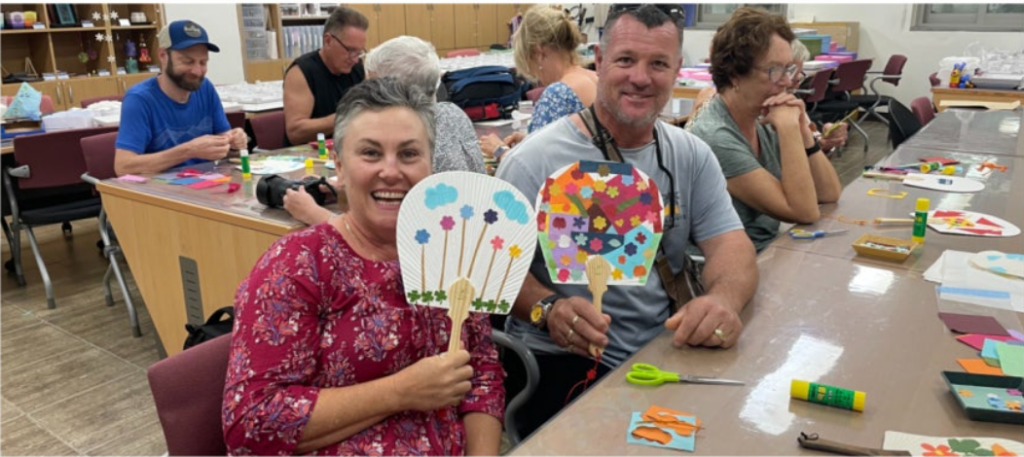
붓으로 글씨를 쓰는 서예, 한지로 공예품을 만드는 한지 공예 체험 등이 있을 수 있어.
Some stays offer calligraphy with a brush, or hanji (traditional paper) craft-making.
이름이나 짧은 문장을 한글로 써 보고, / 직접 만든 한지 책갈피나 노트는 좋은 기념품이 돼.
Try writing your name or a short sentence in Hangul, / and a handmade hanji bookmark or notebook makes a great souvenir.
Traditional Etiquette Programs
절하는 법, 인사하는 법, 상 차리는 법 등 간단한 예절 체험 프로그램이 있는 곳도 있어.
Some stays offer simple etiquette programs — how to bow, how to greet someone, how to set a table.
아이들·외국인에게 한국 전통 문화를 소개하기에 아주 좋은 소재야.
It’s a great way to introduce Korean traditional culture to kids or foreign visitors.
Traditional Games You Can Play in the Courtyard
Yutnori
나무로 된 윷가락 네 개를 던져서 말을 움직이는 보드게임이야.
A board game where you throw four wooden sticks and move pieces around a board.
가족·친구·손님끼리 팀을 나눠 놀기 좋아서, / 한옥 마당 저녁 놀이로 많이 쓰여.
It’s great for splitting into teams with family, friends, or fellow guests, / making it a popular evening game in the courtyard.
Jegichagi
깃털과 동전 또는 작은 판을 묶은 제기를 발로 차 올리는 놀이야.
A game where you kick a small shuttlecock made of feathers and a coin or small disc.
혼자·여럿이 차면서 “몇 번 연속으로 차는지” 겨루기 좋고, / 마당에서 하기에 딱이야.
It’s fun solo or in a group, competing to see how many consecutive kicks you can get, / and it’s perfect for a courtyard.
Gonggi
작은 돌이나 플라스틱 공기를 손으로 튕기고 받는 놀이야.
A game of tossing and catching small stones or plastic pieces with one hand.
실내에서도 조용히 할 수 있어서, / 마루·방 안 놀이로 좋아.
Since it can be played quietly indoors, / it’s great for the wooden porch or inside the room.
Tuho
일정 거리에서 작은 막대를 항아리(목표 통) 안에 던져 넣는 놀이야.
A game where you toss small sticks from a set distance into a jar or target vessel.
집중력·거리 감각을 기르면서, / 실내·실외 어디서나 쉽게 즐길 수 있어.
It builds focus and a sense of distance, / and can easily be enjoyed indoors or outdoors.

| 한국어 | 영어 뜻 |
|---|---|
| 윷, 말판, 도·개·걸·윷·모 | Yut sticks, game board, the throw results (do/gae/geol/yut/mo) |
| 제기를 차다 | To kick the jegi |
| 공기알 | Gonggi stones/pieces |
| 투호, 과녁 | Tuho sticks, the target |
Photography Tips for Your Hanok Stay
Best Time of Day for Light
이른 아침(대략 7~9시)에는 사람도 적고 빛이 부드러워서, / 한옥 지붕·한복 색감이 깨끗하게 나와.
Early morning (roughly 7–9 AM) has fewer people and softer light, / so the roof tiles and hanbok colors come out clean and clear.
해지기 전 골든타임(일몰 전 1~2시간)에는 / 따뜻한 황금빛이 지붕·마당·한복에 닿아서 사진 분위기가 확 살아나.
During golden hour (1–2 hours before sunset), / warm golden light hits the roof, courtyard, and hanbok, giving photos a completely different mood.
실내에서는 창문을 통해 들어오는 자연광을 얼굴 옆·45도 측면에 두면 / 인물 사진이 훨씬 부드럽게 나와.
Indoors, positioning natural window light to the side, at about 45 degrees to your face, / gives portraits a much softer look.
Portrait Shots in Hanbok
한옥 지붕, 대청마루, 돌담, 나무, 문살 같은 전통 요소가 잘 보이는 자리를 먼저 찾고, / 그 뒤에 사람이 서는 게 좋아.
Find a spot where traditional elements like the roof, wooden porch, stone wall, trees, or lattice doors are visible first, / then have your subject stand in front of it.
카메라를 허리 아래 정도로 내려서 위로 올려 찍으면, / 한옥 지붕·하늘이 크게 들어와서 시원한 느낌이 나.
Lowering the camera to about waist height and shooting upward / brings in more of the roof and sky for a dramatic, open feel.
인물을 화면 한가운데가 아니라 3분할 선(왼쪽이나 오른쪽)에 두면 / 더 감성 있는 구도가 돼.
Placing your subject on one of the rule-of-thirds lines instead of dead center / creates a more visually appealing composition.
배경이 나무·기와·돌이라 톤이 차분하니까, / 너무 쨍한 형광색보다 파스텔톤·은은한 한복 컬러가 사진 전체를 조화롭게 만들어줘.
Since the backdrop of wood, tile, and stone is already muted, / pastel or soft hanbok colors work better than very bright, saturated ones for overall harmony.
Photographing the Space Itself
짐·옷·비닐봉지·배달 음식은 프레임에서 빼고, / 침구·쿠션·테이블만 깔끔하게 정돈한 후 찍는 게 좋아.
Keep luggage, clothes, plastic bags, and delivery food out of the frame, / and tidy up just the bedding, cushions, and table before shooting.
커튼을 열고 창문·문을 열어 자연광이 들어올 때 찍으면, / 노란 형광등 조명보다 훨씬 고급스러운 느낌이 나.
Shooting with the curtains and windows open to let natural light in / looks far more elevated than yellow indoor lighting.
기둥·창·문틀이 화면에 수평·수직으로 맞춰지도록 카메라를 정렬하면, / 한옥 특유의 선·대칭미가 살아나면서 안정감이 생겨.
Aligning the camera so pillars, windows, and door frames sit level and vertical in the frame / brings out the hanok’s characteristic symmetry and gives the shot a sense of stability.
마당·방 전체를 넓게 찍는 와이드샷 한 장, / 문살·창틀·등·다기 같은 디테일을 가까이서 찍은 샷도 한 장씩 남겨두면 / 나중에 글 쓸 때 다양하게 활용할 수 있어.
Keep both a wide shot of the whole courtyard or room / and a close-up detail shot of things like the lattice doors, window frames, lanterns, or teaware / so you have variety to work with later.
Frequently Asked Questions
Do I need to book traditional experiences in advance?
다도나 한복 체험은 인기 있는 시간대에 몰릴 수 있어서, / 숙소 예약할 때 같이 문의해두는 게 안전해.
Tea ceremony or hanbok experiences can get booked up during popular time slots, / so it’s safer to ask about them when you book your stay.
Is it okay to play traditional games if I don’t know the rules?
응, 윷놀이나 투호 같은 놀이는 대부분 숙소에서 간단히 설명해주니까, / 규칙을 몰라도 부담 없이 시작할 수 있어.
Yes, most stays give a quick rundown of games like yutnori or tuho, / so you can jump in without knowing the rules beforehand.
What should I wear for hanbok photos if I want a natural look?
너무 화려한 색보다 파스텔톤이나 차분한 컬러가 한옥 배경과 더 잘 어울려서 자연스러운 사진이 나와.
Pastel or muted colors tend to look more natural against the hanok backdrop than very flashy, bright ones.
Are there quiet activities for a rainy day?
공기놀이나 서예, 한지 공예 체험은 실내에서 조용히 즐길 수 있어서 비 오는 날에도 좋아.
Gonggi, calligraphy, and hanji crafts can all be enjoyed quietly indoors, making them great options for a rainy day.
Related Guides
👉 How to Choose the Perfect Hanok Stay in Jeonju (Part 1)
👉 Korea Travel Tips: Navigating Major Airports for a Smooth Arrival
👉 How to Use Public Transport in Korea: Easy Guide for Beginners
👉 Explore More Korea Travel Guides