💬 Korean Conversation: How to Respond to Words
중급 한국어 연습 특별 세션에 온 걸 환영해!
Welcome to this special session of Intermediate Korean Practice!
이 대화에는 일상에서 자주 쓰이는 / 재치 있는 응대와 자연스러운 어휘들이 담겨 있어.
This conversation includes witty responses and natural vocabulary frequently used in everyday life.
특히 아내가 남편의 농담을 어떻게 받아치는지 / 주목해서 공부해봐.
Pay special attention to how the wife playfully deflects and responds to her husband’s jokes as you study.
Source: https://www.youtube.com/shorts/gwhN7jhtwY8

Learning How to Respond to Words
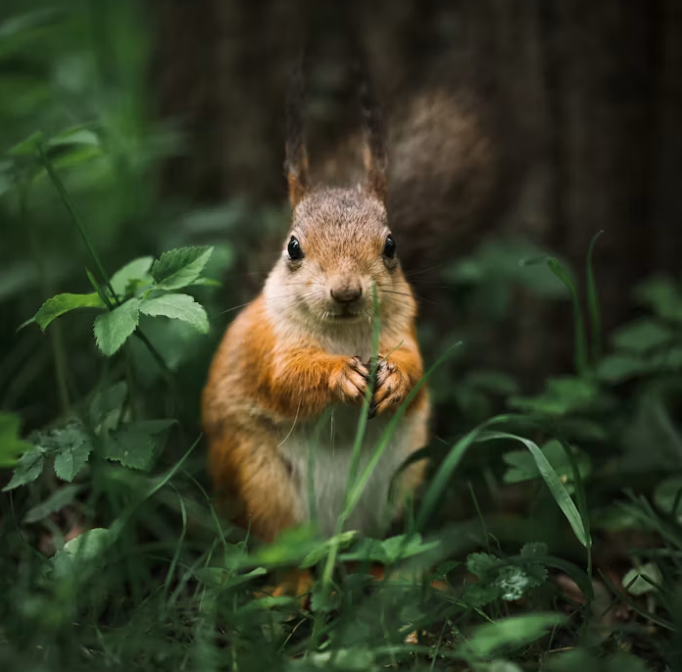
잘 먹네, 다람쥐 같아.
You eat well. You’re like a squirrel.
다람쥐.
A squirrel.
네, 다람쥐예요.
Yes, I’m a squirrel.
많이 드세요.
Enjoy your meal.
아 예, 감사합니다.
Oh, yes, thank you.
뭐 궁금한 거 있으면 물어보세요.
If you have any questions for me, ask me.
좀 남았으니까 먹을 때까진 들어드릴게.
Hey, since there’s still some left, I’ll listen to you until you finish eating.
아니 뭐 이제 없어요.
No, there isn’t any now.
궁금한 거 없어요?
Nothing you’re curious about?
저 그래도 이건 다 먹습니다.
Still, I’ll eat all of this.
안 더워요? 밖에?
Aren’t you hot? Outside?
엄청 더워요.
It’s really hot.
털옷까지 입고 이거…
I’m wearing a fur coat and this…
빨리 겨울이 와서 겨울잠을 자든지 해야지.
Winter should hurry up so I can just hibernate.
오빠 되게 놀아주는 맛이 있다.
You have fun playing with me.
응, 너무 재밌어.
Yeah, it’s so much fun.
너 사촌 동생들하고 이렇게 잘 놀아줬어?
Did you play with your cousins this well?
사촌 동생들이 오빠보다 훨씬 더 어른스러워.
My cousins are much more mature than my brother.
Pronunciation Notes: Linking Sounds & Casual Contractions
| 표기 (Written Form) | 발음 (Spoken/Linked Pronunciation) |
|---|---|
| 같아 | (가타) |
| 많이 | (마니) |
| 있으면 물어보세요 | (이쓰면 무러보세요) |
| 남았으니까 먹을 | (나마쓰니까 머글) |
| 들어드릴게 | (드러드릴께) |
| 없어요 | (업써요) |
| 먹습니다 | (먹씀니다) |
| 밖에 | (바께) |
| 털옷까지 입고 | (터롯까지 입꼬) |
| 겨울이 | (겨우리) |
| 겨울잠 | (겨울짬) |
| 놀아주는 맛이 있다 | (노라주는 마시 읻따) |
| 재밌어 | (재미써) |
| 이렇게 잘 놀아줬어? | (이러케 잘 노라줘써?) |
Key Study Points
A. Using “궁금한 거 없어요?” Naturally
뭐 궁금한 거 있으면… (물어보세요)
If you have any questions for me, ask me.
궁금한 거 없어요?
Nothing you’re curious about?
“더 궁금한 거 있어?” (Anything else you’re wondering about?)
Talk to my Korean friend: “더 궁금한 거 있어?” (Anything else you’re wondering about?)
“궁금한 거 없어요?”라고 물으면 / 대화를 이어가는 아주 좋은 방법이 돼.
Asking “궁금한 거 없어요?” is a great way to keep the conversation going.
상대방의 생각에 관심이 있다는 걸 보여주거든.
It shows that you care about the other person’s thoughts.
더 자연스럽게 말하고 싶으면, / 조금 더 부드러운 말투로 “혹시 더 궁금한 거 있어요?”라고 말해봐.
If you want to sound more natural, try saying, “혹시 더 궁금한 거 있어요?” in a slightly softer tone.
B. “빨리 겨울이 와서 겨울잠을 자든지 해야지.”
밖이 너무 더워요!
It’s way too hot outside!
빨리 겨울이 와서 그냥 겨울잠을 잘 수 있었으면 좋겠어요.
I seriously wish winter would hurry up so I could just hibernate.
“~해야지.”, “~든지 해야지.”, “~나 해야지.”는 혼잣말처럼 쓰는 자연스러운 한국어 표현이야.
“~해야지,” “~든지 해야지,” and “~나 해야지” are natural Korean expressions used almost like talking to yourself.
이 패턴은 막연한 바람이나 앞으로의 계획을 혼잣말처럼 말할 때 자주 써.
This pattern is often used when expressing a vague wish or a future plan, almost as if muttering to yourself.
특히 “~든지 해야지”는 “뭔가라도 해야겠다”는 다소 체념 섞인 뉘앙스를 담고 있어서, 일상 회화에서 아주 자연스러워.
In particular, “~든지 해야지” carries a slightly resigned nuance of “I guess I should do something at least,” which makes it sound very natural in everyday conversation.
아래는 같은 패턴의 예문들이야:
Here are more examples using the same pattern:
빨리 주말이 와서 하루 종일 푹 쉬든지 해야지.
The weekend needs to come soon so I can just rest all day.
이번 프로젝트만 끝나면 여행이라도 가든지 해야지.
Once this project is over, I should at least go on a trip.
돈 좀 모이면 새 노트북 하나 사든지 해야지.
Once I save up some money, I should buy a new laptop.
날씨가 좀 시원해지면 운동이라도 다시 시작해야지.
Once the weather cools down, I should start exercising again.
오늘은 너무 피곤하니까 집에 가서 일찍 자든지 해야지.
I’m so tired today. I should just go home and sleep early.
C. Grammar Focus: How to Compare in Korean (-보다 더)
아까 대화에 나온 “오빠보다 훨씬 더 어른스러워”라는 문장, / 한국어 비교 표현의 좋은 예시야.
That line from the dialogue earlier is a perfect example of how to make comparisons in Korean.
문장 분석:
Breakdown of the sentence:
사촌 동생들이 (Cousins): 주어(B).
사촌 동생들이 (Cousins): The subject (B).
오빠보다 (than my brother): 비교 대상(A) + -보다(than).
오빠보다 (than my brother): The object of comparison (A) + -보다 (than).
훨씬 (much/far): 차이를 강조할 때 씀.
훨씬 (much/far): Used to emphasize the difference.
더 (more): “더”를 나타내는 표준 단어.
더 (more): The standard word for “more.”
어른스러워 (mature): 형용사(어른스럽다에서 옴).
어른스러워 (mature): The adjective (from 어른스럽다).
Practice Patterns
학생들이 직접 문장을 만들어볼 수 있도록 / 아래 패턴을 써봐.
Use the pattern below to help students build their own sentences.
패턴: [명사 A] + 보다 + [명사 B] + 가 + 더 + [형용사]
Pattern: [Noun A] + 보다 + [Noun B] + 가 + 더 + [Adjective]
의미: B가 A보다 더 [형용사]하다.
Meaning: B is more [adjective] than A.
사촌 동생들이 오빠보다 어른스러워.
My cousins are more mature than my brother.
여름보다 겨울이 더 좋아.
I like winter more than summer.
이것보다 저것이 훨씬 더 비싸요.
That is much more expensive than this.
Why Use “훨씬”?
‘훨씬’을 쓰면 문장에 풍미가 더해져.
Using “훨씬” adds flavor to your sentence.
정도의 차이가 크게 나타나서 / 한국어가 훨씬 더 표현력 있고 자연스럽게 들려!
It shows a significant difference in degree, / making your Korean sound much more expressive and natural!
| 한국어 예문 | English |
|---|---|
| 사촌 동생들이 오빠보다 훨씬 더 어른스러워. | My cousins are much more mature than my brother. |
| 어제보다 오늘 날씨가 더 더워요. | Today is hotter than yesterday. |
| 이 식당이 저곳보다 훨씬 더 맛있어요. | This restaurant is far more delicious than that one. |
| 버스보다 지하철이 정말 빨라요. | The subway is really fast compared to the bus. |
| 생각했던 것보다 훨씬 더 재미있네요! | It’s much more fun than I thought! |
Key Korean Expressions Summary
| 한국어 | 발음 | 영어 뜻 |
|---|---|---|
| 다람쥐 | 다람쥐 | A squirrel |
| 많이 드세요 | (마니 드세요) | Enjoy your meal |
| 궁금한 거 없어요? | (궁금한 거 업써요?) | Nothing you’re curious about? |
| 겨울잠을 자다 | (겨울짬을 자다) | To hibernate |
| 놀아주다 | (노라주다) | To play with (someone), for their sake |
| 어른스럽다 | (어른스럽따) | To be mature |
| -보다 더 | -보다 더 | More ~ than (comparison) |
| 훨씬 | 훨씬 | Much / by far (intensifier for comparisons) |
Frequently Asked Questions
Why does the wife respond with “네, 다람쥐예요” instead of denying the comparison?
부정하지 않고 오히려 그 표현을 그대로 받아들여서 재치 있게 되받아치는 거야 — 유머로 응수하는 좋은 방법이지.
Instead of denying it, she playfully accepts the comparison and turns it into a witty comeback — a great way to respond to teasing with humor.
What’s the difference between “궁금한 거 없어요?” and “혹시 더 궁금한 거 있어요?”
“궁금한 거 없어요?”가 조금 더 직접적이고, “혹시 더 궁금한 거 있어요?”는 “혹시”가 붙어서 더 부드럽고 조심스러운 느낌을 줘.
“궁금한 거 없어요?” is a bit more direct, while adding “혹시” to make “혹시 더 궁금한 거 있어요?” gives it a softer, more considerate feel.
Can “훨씬” be used without “더”?
보통은 “훨씬 더”로 같이 쓰이지만, 문맥에 따라 “훨씬”만 써도 자연스러울 때가 있어 — 그래도 강조하고 싶을 땐 “훨씬 더”가 제일 안전해.
It’s typically used together as “훨씬 더,” but depending on context, “훨씬” alone can sound natural too — still, “훨씬 더” is the safest choice when you want to emphasize the difference.
Related Lessons
👉 Korean Conversation: How to Use the Market
👉 Korean Conversation: Teaching Kids to Be Wary of Strangers
👉 More Conversation Lessons
Review Quiz: How to Respond to Words
(Answers are at the bottom.)
Part 1: Vocabulary Matching
Match each Korean word to its meaning.
- 다람쥐
- 겨울잠을 자다
- 놀아주다
- 어른스럽다
- 훨씬
A. To hibernate B. Much / by far C. A squirrel D. To be mature E. To play with (someone)
Part 2: Fill in the Blank
Choose the correct word from the box.
Word box: 훨씬 / 어른스러워 / 겨울잠 / 놀아주는
- 사촌 동생들이 오빠보다 ( ). (more mature)
- 빨리 겨울이 와서 ( )을 자든지 해야지. (hibernate)
- 오빠 되게 ( ) 맛이 있다. (playing with me)
- 이 식당이 저곳보다 ( ) 더 맛있어요. (much / by far)
Part 3: Comprehension Questions
Based on the dialogue, answer the following questions in English.
- How does the wife respond when her husband compares her to a squirrel?
- What does the husband say he wishes could happen because of the summer heat?
- According to the passage, what pattern is used to make comparisons in Korean, and what does “훨씬” add to it?
- What does the wife say about her cousins compared to her husband?
Part 4: Short Answer (Open-Ended)
Answer in Korean or English.
- [명사 A]보다 [명사 B]가 더 [형용사] 패턴을 써서 자기만의 문장을 하나 만들어보세요.
(Using the pattern [Noun A]보다 [Noun B]가 더 [Adjective], write your own comparison sentence.)
Key Korean Expressions Summary (add this row)
| 한국어 | 발음 | 영어 뜻 |
|---|---|---|
| -든지 해야지 | (든지 해야지) | I guess I should ~ at least (resigned, talking to oneself) |
Quiz Additions
Part 2: Fill in the Blank (add this item)
Word box (add): 쉬든지
- 빨리 주말이 와서 하루 종일 푹 ( ) 해야지. (rest)
Part 3: Comprehension Questions (add this item)
- What kind of nuance does the pattern “~든지 해야지” carry, according to the passage?
Answer Key
Part 1
1-C, 2-A, 3-E, 4-D, 5-B
Part 2
7. 어른스러워
8. 겨울잠
9. 놀아주는
10. 훨씬
Part 3
11. She plays along and agrees, saying “네, 다람쥐예요” (Yes, I’m a squirrel), turning the comparison into a witty comeback.
12. He wishes winter would hurry up so he could just hibernate.
13. The pattern is [Noun A] + 보다 + [Noun B] + 가 + 더 + [Adjective], meaning “B is more [adjective] than A”; “훨씬” adds emphasis, showing a much bigger difference in degree.
14. She says her cousins are much more mature than her husband.
Part 4 (sample answer)
15. Open-ended — check your own answer against the pattern above.
Part 2
16. 쉬든지
Part 3
17. A slightly resigned nuance of “I guess I should do something at least,” often used when talking to oneself about a vague wish or future plan.