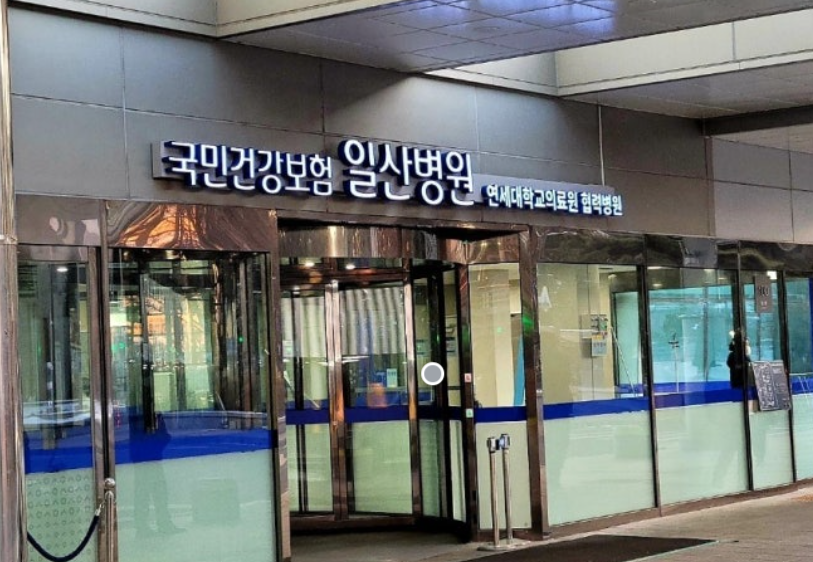
💬 How Students Can Visit a Hospital in Korea
유학생이 한국에서 병원에 갈 때는, 진료 자체만큼이나 준비가 중요할 때가 많아. 뭘 챙겨야 하고 시스템이 어떻게 돌아가는지 알면, 전체 과정이 훨씬 수월해져.
When international students visit a hospital in Korea, preparation is often just as important as the appointment itself. If you know what to bring and how the system works, the whole process becomes much easier.
1. Before You Go to the Hospital
신분증 챙기기: 외국인등록증, 여권, 등록번호가 있는 다른 신분증을 챙겨야 해. 병원에서 신원 확인용으로 필요하거든.
Bring Your ID: Bring your residence card, passport, or another ID with a registration number, as hospitals need it for identity verification.
보험 상태 확인하기: 국민건강보험(NHIS)이 있는지, 아니면 사설 유학생보험만 있는지 확인해봐. 이에 따라 진료비를 어떻게 내야 하는지가 달라지거든.
Check Your Insurance: Check whether you have the National Health Insurance Service (NHIS) or only private student insurance, as the way you pay for medical costs depends on your policy.
영어 가능한 병원 찾기: 첫 방문이라면, 영어 지원이 되는 병원을 고르는 게 도움이 돼. 증상을 설명하고 알맞은 진료과를 찾기가 훨씬 쉬워져.
Find a Hospital with English Support: If it’s your first visit, it helps to choose a hospital with English support to make it easier to explain your symptoms and find the right department.
2. At Reception
진료과 잘 고르기: 증상에 맞는 진료과를 선택해야 해 (예: 감기는 내과·이비인후과, 피부 문제는 피부과).
Choose the Right Department: Select the correct department based on your symptoms (e.g., Internal Medicine or ENT for colds, Dermatology for skin issues).
한국어가 어렵다면 간단히 말하기: “여기가 아파요”, “[날짜]부터 시작됐어요”, “열이 나요” 같은 간단한 표현이면 충분해. 휴대폰에 메모해서 보여줘도 돼.
Use Simple Phrases: Simple phrases like “It hurts here,” “It started [date],” or “I have a fever” are enough. You can also show a note on your phone.
접수에서 보험 얘기하기: 접수할 때 보험 정보를 바로 알려주면, 나중에 서류 처리가 번거로워지는 걸 피할 수 있어.
Mention Your Insurance: Inform the reception desk about your insurance right away to avoid extra paperwork later.
3. During the Consultation
증상을 짧고 정확하게 말하기: 증상이 언제 시작됐는지, 뭔지, 얼마나 심한지 설명해. 한국어가 힘들면 번역 앱이 도움이 돼.
Describe Symptoms Clearly: Explain when the symptoms started, what they are, and how severe they feel. Translation apps are helpful if you struggle with Korean.
기존 질환 말하기: 복용 중인 약, 알레르기, 과거 병력은 항상 의사에게 말해야 안전한 치료를 받을 수 있어.
Mention Existing Conditions: Always tell the doctor about medications you are taking, allergies, or past medical history for safe treatment.
20 Symptom Phrases (Head to Toe)
| 한국어 표현 | 영어 뜻 |
|---|---|
| 머리가 아파요. | I have a headache. |
| 머리가 어지러워요. | I feel dizzy. |
| 눈이 아파요. | My eyes hurt. |
| 눈이 충혈됐어요. | My eyes are bloodshot/red. |
| 귀가 아파요. | My ear hurts. |
| 코가 막혔어요. | My nose is stuffy. |
| 콧물이 나요. | I have a runny nose. |
| 목이 아파요. | I have a sore throat. |
| 목이 부었어요. | My throat is swollen. |
| 가슴이 답답해요. | My chest feels tight. |
| 기침이 나요. | I have a cough. |
| 배가 아파요. | I have a stomachache. |
| 속이 안 좋아요. | I feel nauseous. |
| 설사해요. | I have diarrhea. |
| 허리가 아파요. | My lower back hurts. |
| 팔이 아파요. | My arm hurts. |
| 다리가 아파요. | My leg hurts. |
| 발목을 삐었어요. | I sprained my ankle. |
| 피부가 가려워요. | My skin is itchy. |
| 온몸이 쑤셔요. | My whole body aches. |
💡 팁: “여기가 아파요”라고 하면서 손으로 부위를 가리키는 것도 아주 자연스러운 방법이야 — 정확한 단어가 안 떠오를 때 특히 유용해.
Tip: Saying “여기가 아파요” (It hurts here) while pointing to the spot is also a very natural way to communicate — especially useful when you can’t recall the exact word.
4. After the Consultation
영수증 보관하기: 사설 보험이 있다면 영수증, 진료비 세부내역서, 처방전이 필요할 수 있으니 서류를 잘 챙겨둬.
Keep Your Documents: If you have private insurance, you may need the receipt, itemized medical bill, and prescription, so keep all documents safe.
약국 이용하기: 보통 근처 약국에서 약을 받아. 처방전을 보여주면 약사가 복용법을 설명해줘.
Visit a Pharmacy: Usually, you will pick up your medicine at a nearby pharmacy. The pharmacist will explain how to take it if you provide the prescription.
보험 청구 절차 확인하기: 실비형 보험이라면 직접 서류를 보험사에 제출해야 하니까, 절차를 미리 확인해둬.
Check the Insurance Claim Process: If your plan is a reimbursement type, you will need to submit documents to the insurer yourself, so check the procedure in advance.
10 Common Medication Instructions at Korean Pharmacies
| 한국어 표현 | 영어 뜻 |
|---|---|
| 하루에 세 번 드세요. | Take it three times a day. |
| 식후에 드세요. | Take it after meals. |
| 식전에 드세요. | Take it before meals. |
| 한 번에 한 알씩 드세요. | Take one pill at a time. |
| 아침저녁으로 하루 두 번 드세요. | Take it twice a day, morning and evening. |
| 물과 함께 드세요. | Take it with water. |
| 3일치 처방이에요. | This is a 3-day prescription. |
| 졸릴 수 있으니 운전 조심하세요. | This may cause drowsiness, so be careful driving. |
| 술은 드시면 안 돼요. | You shouldn’t drink alcohol (while taking this). |
| 증상이 심해지면 병원에 다시 가보세요. | If symptoms get worse, go back to the hospital. |
5. Key Precautions for Students
응급실과 외래 구분하기: 응급 상황이 아니면 응급실은 비용이 많이 나올 수 있어. 외래 진료를 먼저 이용해보는 게 좋아.
ER vs. Outpatient: Emergency rooms can be expensive if the situation is not urgent; try to use outpatient care first.
모든 진료가 보험 적용은 아님: 치과 치료, 미용 시술, 일부 비급여 항목은 제외될 수 있으니 미리 확인해.
Insurance Coverage Limitations: Not all treatments are covered. Dental care, cosmetic treatments, and some non-covered items might be excluded, so check beforehand.
학교 보험 규정도 확인하기: 일부 대학은 NHIS와 사설 보험을 둘 다 요구하는 등 특정 보험 규정이 있어. 항상 학교 공지를 확인해.
Check University Guidelines: Some universities have specific insurance requirements, including the need for both NHIS and private insurance. Always check official school notices.
Key Expressions Summary
| 한국어 | 영어 뜻 |
|---|---|
| 접수 | Reception/Registration |
| 진료 | Medical Consultation |
| 처방전 | Prescription |
| 영수증 | Receipt |
| 진료비 세부내역서 | Itemized Medical Bill |
| 보험 청구 | Insurance Claim |
| 외국인등록증 | Residence Card |
| 응급실 | Emergency Room |
FAQ
Q1. 처음 한국 병원에 갈 때 가장 먼저 확인해야 할 건 뭔가요?
What should I check first before my first hospital visit in Korea?
신분증과 보험 상태부터 확인해. NHIS가 있는지 사설 보험만 있는지에 따라 접수와 결제 방식이 달라지거든.
Start with your ID and insurance status. Whether you have NHIS or only private insurance changes how registration and payment work.
Q2. 한국어를 잘 못하면 병원에서 어떻게 해야 하나요?
What if I can’t speak Korean well at the hospital?
“여기가 아파요” 같은 간단한 표현이면 충분하고, 손으로 부위를 가리키거나 번역 앱을 쓰는 것도 자연스러운 방법이야. 영어 지원 병원을 고르면 훨씬 편해.
Simple phrases like “It hurts here” are enough, and pointing to the spot or using a translation app works naturally too. Choosing a hospital with English support makes it much easier.
Q3. 응급실 대신 외래를 먼저 가야 하는 이유가 뭔가요?
Why should I use outpatient care instead of the ER first?
응급 상황이 아니면 응급실 비용이 훨씬 비쌀 수 있어서야. 급하지 않은 증상이라면 외래 진료를 먼저 이용하는 게 비용 면에서 유리해.
Because ER visits can be much more expensive if the situation isn’t truly urgent. For non-urgent symptoms, outpatient care is the more cost-effective option.
한국에서 유학하는 학생에게 병원 가는 건 그냥 아플 때 가는 것 이상이야. 뭘 챙겨야 하는지, 어느 진료과에 가야 하는지, 어떤 서류를 보관해야 하는지 알면 전체 과정이 훨씬 수월해져.
For international students in Korea, it’s not just about going to the hospital when you feel sick. Knowing what to bring, which department to visit, and which documents to keep makes the whole process much smoother.
이 세 가지만 기억해도 병원 방문이 훨씬 편해질 거야: 신분증·보험 상태 미리 확인하기, 증상은 짧고 정확하게 말하기, 영수증과 서류는 꼭 보관하기.
If you remember these three things, your hospital visit will be much easier: check your ID and insurance status in advance, describe symptoms briefly and clearly, and always keep your receipts and documents.