
💬 How to Use Public Transport in Korea
✈️ How to Reach Your Destination in Korea
전국을 여행할 계획이라면, / 한국의 대중교통 이용법을 이해하는 게 / 순조롭고 저렴한 여행을 위한 최고의 방법이야. / 서울로 미팅하러 가든, 부산 해변으로 가든, / 제주 자연을 보러 가든, / 현지인처럼 이동하는 법을 알려줄게.
If you are planning to travel around the country, / understanding how to use public transport in Korea / is the best way to ensure a smooth and affordable adventure. / Whether you’re heading to a meeting in Seoul, a beach in Busan, or the nature of Jeju, / here’s how to get around like a local.
1️⃣ Incheon International Airport (ICN) – The Gateway to Seoul
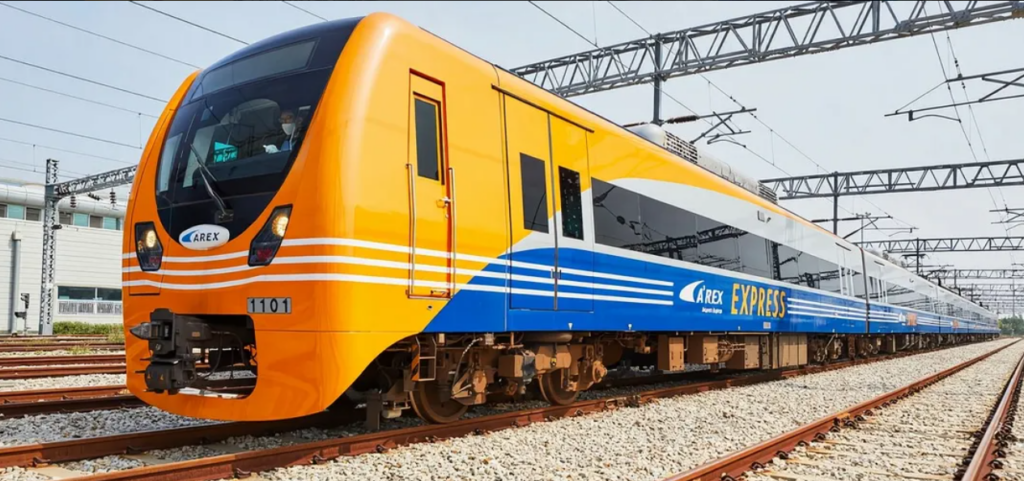
대부분의 해외 여행객이 여기로 처음 도착해.
Most international travelers arrive here first.
AREX(공항철도): 서울 시내로 가는 가장 빠르고 저렴한 방법이야. / “Airport Railroad (AREX)”라고 적힌 파란색 표지판을 따라가면 / 바로 지하역으로 연결돼 — / 짐이 많으면 에스컬레이터 대신 엘리베이터를 이용해.
AREX (Airport Railroad Express): The fastest, most affordable way into downtown Seoul. / Blue signs marked “Airport Railroad (AREX)” lead you straight to the underground station — / if you’re carrying heavy luggage, take the elevators instead of the escalators.
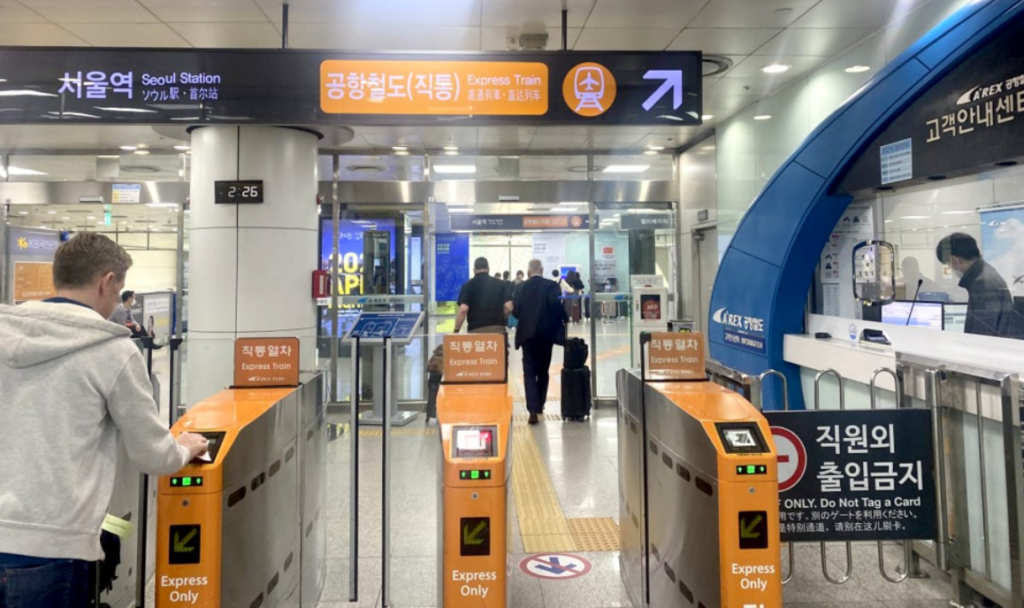
태그하고 이동: 티머니 카드가 있으면 별도로 표를 살 필요 없이, / 지하철 개찰구에 태그만 하면 돼.
Tap and go: With a T-money card, there’s no need to buy a separate ticket — / just tag it at the subway turnstile.
공항 리무진 버스: 짐이 많을 때 좋은 선택이야, / 서울의 주요 호텔로 바로 운행하거든. / 부스에서 표를 사거나 티머니 카드를 태그하고 탑승하면 되고, / 밖에 있는 행선지 안내판을 보면 올바른 승강장을 쉽게 찾을 수 있어.
Airport limousine bus: A good option with heavy luggage, since it runs directly to major hotels in Seoul. / Buy a ticket at the booth or simply tap your T-money card as you board; / the destination boards outside make it easy to find the right platform.
택시: 3~4명 그룹한테 편하고, / 터미널 바로 밖에 항상 대기하고 있어 — / 다만 짐이 많으면 좀 좁게 느껴질 수 있어.
Taxi: Comfortable for groups of 3–4, and always available right outside the terminal — / though it can feel cramped with a lot of luggage.
2️⃣ Gimhae International Airport (PUS) – Your Shortcut to Busan
부산이나 남부 지역이 목적지라면, / 여기가 최고의 관문이야.
If Busan or the southern region is your destination, this is the best entry point.
공항 리무진 버스: 해운대나 서면 같은 인기 지역으로 / 바로 가는 가장 쉬운 방법이야 — / 미리 김해공항 교통 가이드에서 노선을 확인해봐.
Airport limousine bus: The easiest way to reach popular areas like Haeundae or Seomyeon directly — / check the route in advance on the Gimhae Airport transport guide.
결제: 탑승할 때 티머니나 일반 신용카드 둘 다 사용할 수 있어.
Payment: T-money or a regular credit card both work when boarding.
길 찾기: 네이버지도나 카카오맵으로 버스를 실시간 추적할 수 있어서 / 정확히 언제 내려야 할지 알 수 있어.
Navigation: Naver Map or KakaoMap can track your bus in real time so you know exactly when to get off.
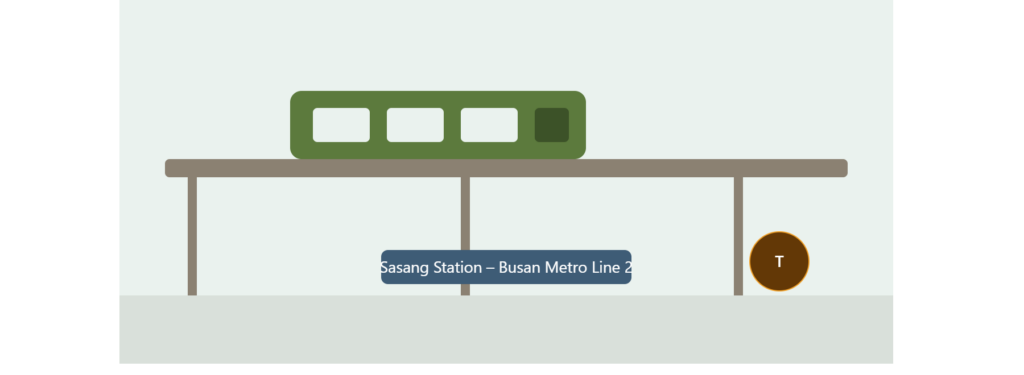
BGL(경전철): 공항에서 부산 지하철 2호선 사상역까지 연결해줘. / 파란색 “Airport Light Rail (BGL)” 표지판을 따라 / 터미널에서 짧게 걸어가면 되고, / 게이트에서 티머니 카드나 신용카드를 태그하면 돼 — / 시내 중심가로 가는 가장 빠른 방법이야.
BGL (light rail): Connects the airport to Busan Metro Line 2 at Sasang Station. / Blue “Airport Light Rail (BGL)” signs guide you there on a short walk from the terminal, / and you can tag a T-money card or credit card at the gates — / it’s the fastest way into the city center.
3️⃣ Jeju International Airport (CJU) – The Island Getaway

제주에는 지하철이나 기차가 아예 없어 — / 섬 전체가 버스로만 운영돼.
Jeju has no subway or train system at all — the island runs entirely on buses.
렌터카: 버스 배차 간격이 길 수 있어서, / 더 편한 여행을 위해 렌터카를 고려해볼 만해 (국제운전면허증 챙기는 거 잊지 마).
Rental car: Since buses can run at long intervals, / renting a car is worth considering for a smoother trip (don’t forget your International Driving Permit).
공항 급행버스: 주요 거점이나 제주시 시내로 가기 편한 방법이야.
Airport express bus: A convenient way to reach major hubs or downtown Jeju City.
언어 & 실시간 정보: 제주버스정보 사이트는 영어로 전환할 수 있고, / 실시간 버스 도착 시간이랑 노선 번호를 보여줘 — / “공항”이나 노선 번호를 검색하면 / 공항을 지나는 상세 경로를 찾을 수 있어.
Language & real-time info: The Jeju bus site can be switched to English, / and shows real-time bus arrival times and route numbers — / search “Airport” or a route number to find detailed paths through the airport.
🚇 Everyday Transport: Subway, Bus, and Taxi
지하철 기본요금은 2025년 6월 인상 이후 1,550원이고 (거리에 따라 추가 요금 발생), 버스도 비슷한 수준이에요. 티머니로 30분 이내 환승하면 환승 할인이 적용돼서, 지하철에서 버스로 갈아타도 추가 기본요금을 안 내도 돼요. The subway base fare has been 1,550 KRW since a June 2025 increase (with distance-based add-ons), and buses are similarly priced. Transfer within 30 minutes using your T-money card gets you a transfer discount, so switching from subway to bus doesn’t cost you a second base fare.
티머니 충전은 지하철역 충전기, 편의점(GS25, CU 등), 또는 티머니 앱에서 할 수 있어요. 현금이나 카드 모두 가능해요. 티머니는 서울뿐 아니라 부산, 대구, 광주, 제주 등 전국 대부분의 교통망에서도 그대로 쓸 수 있어요. You can top up your T-money card at subway station kiosks, convenience stores (GS25, CU, etc.), or through the T-money app. Both cash and card work. T-money isn’t Seoul-only either — it works on most transit networks nationwide, including Busan, Daegu, Gwangju, and Jeju.
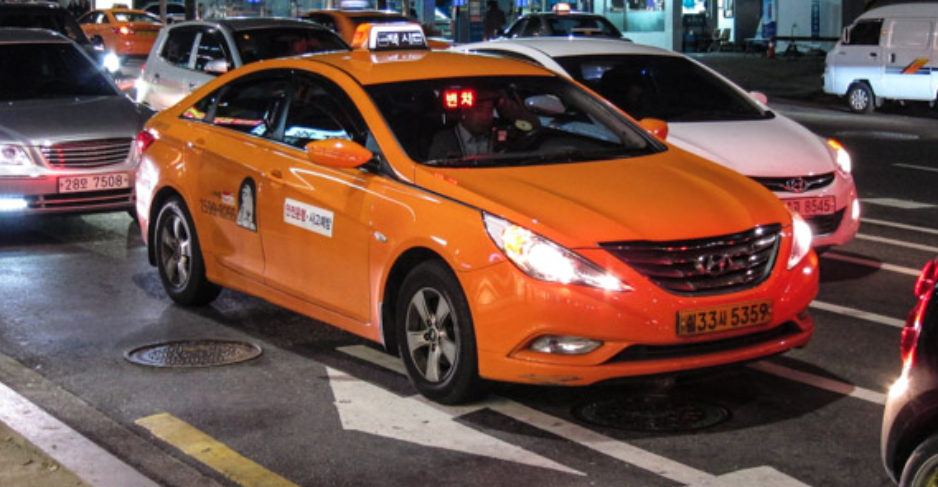
택시는 카카오T 앱으로 부르는 게 가장 편해요. 서울 기준 기본요금은 1.6km까지 4,800원이고, 심야 시간대(22~23시, 02~04시)에는 5,800원으로 할증이 붙어요. Kakao T is the easiest way to call a taxi. In Seoul, the base fare covers up to 1.6km for 4,800 KRW, rising to 5,800 KRW during late-night hours (10–11 PM and 2–4 AM).
⚠️ 자주 하는 실수: 티머니 태그를 깜빡하고 그냥 지나가면 부정승차로 간주될 수 있어요. 카드가 있어도 반드시 태그를 확인하세요. 또한 출구 번호를 무시하고 아무 출구로나 나가면, 목적지까지 훨씬 멀리 돌아가야 할 수 있어요 — 네이버지도나 카카오맵에서 정확한 출구 번호를 미리 확인하세요.
Common Mistake: Forgetting to tag your T-money card can be treated as fare evasion — always confirm the tag went through. Also, ignoring the specific exit number and just walking out any exit can mean a much longer walk to your destination — check the correct exit number on Naver Map or KakaoMap beforehand.
💡 대안 팁: 서울에서는 ‘기후동행카드’라는 정액 무제한 교통 패스도 있어요. 여행객용 단기권은 1일권 5,000원, 2일권 8,000원, 3일권 10,000원, 5일권 15,000원, 7일권 20,000원이에요. 하루에 대중교통을 많이 이용할 계획이라면 개별 요금보다 이득일 수 있지만, 신분당선이나 광역·공항버스에는 쓸 수 없다는 점을 기억하세요.
Alternative Tip: Seoul also offers the “Climate Card” (기후동행카드), an unlimited-use transit pass. Short-term tourist passes cost 5,000 KRW (1 day), 8,000 KRW (2 days), 10,000 KRW (3 days), 15,000 KRW (5 days), and 20,000 KRW (7 days). If you plan to use public transport heavily in a single day, this can be more economical than paying per ride — just note it doesn’t cover the Sinbundang Line or express/airport buses.
🗣️ Real Talk: Which Way Is More Convenient?
Emma와 Sarah가 지난번 숙소 예약 사이트 비교 얘기에 이어서, / 이번엔 실제로 어떻게 가야 할지 알아보고 있어.
Emma and Sarah pick up the conversation from their booking-site comparison — / now they’re figuring out how to actually get to the places they’re considering.
Sarah: 나 어제 아고다랑 부킹닷컴 비교해봤는데 / 오히려 부킹닷컴이 / 취소 정책 때문에 더 낫더라.
Sarah: I compared Agoda and Booking.com yesterday, and Booking.com actually won because of the cancellation policy.
Emma: 오 그래? / 나는 에어비앤비에서 대전 숙소 찾아봤는데 / 진짜 저렴한 데 많더라.
Emma: Oh really? I looked for Daejeon places on Airbnb and there were tons of cheap options.
Sarah: 근데 대전은 공항이 없잖아. / 거기까지 가려면 / 어떻게 가야 되지?
Sarah: But Daejeon doesn’t have an airport. How would we even get there?
Emma: 인천공항에서 KTX 타고 가면 되지 않을까? / 아니면 서울에서 갈아타야 하나?
Emma: Couldn’t we just take the KTX from Incheon Airport? Or do we need to transfer in Seoul first?
Sarah: 맞아, / 인천공항에서 바로 KTX 타는 것도 되는 것 같던데, / 확인해봐야겠다.
Sarah: Right, I think you can actually take the KTX straight from Incheon Airport — I should double-check that.
Emma: 부산 쪽은 / 김해공항으로 바로 가면 되니까 / 오히려 더 편할 수도 있겠다.
Emma: Busan might actually be more convenient, since you can fly straight into Gimhae Airport.
Sarah: 그러네, / 김해공항에서 경전철 타면 / 시내까지 금방이래.
Sarah: That’s true — I heard the light rail from Gimhae gets you downtown pretty fast.
Emma: 그럼 대전이랑 부산 중에 / 어디가 더 편한지 / 좀 더 알아보고 정하자.
Emma: Then let’s look into it a bit more and decide whether Daejeon or Busan is more convenient.
Sarah: 콜, / 나는 KTX 시간표 좀 찾아볼게.
Sarah: Deal, I’ll look up the KTX schedule.
📌 Key Expressions from the Dialogue
| 한국어 | 영어 뜻 |
|---|---|
| 오히려 | Actually / on the contrary (introduces a result that goes against expectation) |
| ~더라 | It turned out that ~ (casual way to report something you personally noticed or experienced) |
| ~하려면 어떻게 해야 되지? | How do we have to do it, to ~? (asking how to accomplish something) |
| ~되지 않을까? | Wouldn’t it work if ~? (soft, casual way to float a possibility) |
| 확인해봐야겠다 | I should go check that (deciding to verify something) |
| ~ㄹ 수도 있겠다 | It might actually ~ (considering a new possibility) |
| ~대 | I heard ~ / they say ~ (reporting secondhand information) |
| 알아보고 정하자 | Let’s look into it and decide (casual way to postpone a decision until more research is done) |
Related Guides
👉 Korea Travel Tips: Navigating Major Airports for a Smooth Arrival
👉 Travel to Korea: The Ultimate Guide to Booking Cheap Flights
👉 Korea Travel Guide: Daejeon Dong-gu
👉 More Korea Travel Guides