💬 Korean Long-Form Reading Series : Korea’s Summer “Boyangsik” Culture
How to Use This Lesson
한 문장을 통째로 번역하려 하지 말고, / 의미 단위로 끊어 읽는 연습을 해보세요 — / 이걸 ‘끊어읽기’라고 불러요.
Instead of translating a whole Korean sentence at once, / train yourself to read in meaning chunks — / this technique is called chunk reading (끊어읽기).
아래 문장들은 자연스러운 끊김 지점에서 나뉘어 있어요 / (조사 은/는/이/가/을/를 뒤나, / -지만/-는데/-면서 같은 연결어미 뒤에서요).
Each sentence below is split at natural pause points (marked with /), / usually right after a particle (은/는/이/가/을/를) / or a connective ending (-지만, -는데, -면서, etc.).
한국어 청크를 왼쪽에서 오른쪽으로 순서대로 읽으세요. / 영어처럼 문장을 거꾸로 읽지 마세요.
Read the Korean chunks left to right, in order — / don’t reverse the sentence the way you would in English.
💡 표시는 고정 청크로 외워둘 만한 문법 패턴을 짚어줘요.
Grammar points (💡) call out patterns worth memorizing as fixed chunks.
Intro: Why Do Koreans Eat Hot Food in Summer?
한여름 무더위 속에서, / 땀을 뻘뻘 흘리면서도 / 펄펄 끓는 국물 요리를 먹는 사람들을 / 본 적이 있나요?
Have you ever seen people sweating buckets in the middle of summer heat / while still eating a piping-hot soup?
한국에는 ‘이열치열’이라는 말이 있어요. / 열은 열로 다스린다는 뜻인데, / 이게 바로 한국 여름 보양식 문화의 핵심 철학이에요.
Korea has an expression, “이열치열” — / “fight heat with heat.” / This is the core philosophy behind Korean summer health-food culture.
💡 문법 포인트: “이열치열”은 사자성어(한자성어)로, / ‘열로써 열을 다스린다’는 뜻이에요. / 더울 때 오히려 뜨거운 음식을 먹어서 / 몸의 균형을 맞춘다는 발상이죠.
Grammar point: “이열치열” is a four-character idiom / meaning “to control heat with heat.” / The idea is that eating something hot when it’s already hot / helps balance the body.
What Are the Three “Bok” Days?
한국의 여름철 보양식 문화를 이해하려면, / 먼저 ‘삼복’을 알아야 해요.
To understand Korea’s summer health-food culture, / you first need to know about “Sambok” (the Three Bok Days).
삼복은 초복, 중복, 말복을 / 합쳐서 부르는 말인데, / 음력을 기준으로 / 10일 간격으로 찾아오는 / 1년 중 가장 무더운 세 날을 가리켜요.
Sambok refers to Chobok, Jungbok, and Malbok combined — / three of the hottest days of the year, / falling about 10 days apart / based on the lunar calendar.
이 날들에는 몸이 더위에 지치기 쉬워서, / 예로부터 한국인들은 / 영양가 있는 뜨거운 음식을 챙겨 먹으며 / 여름을 견뎌왔어요.
On these days, the body tends to get worn down by the heat, / so Koreans have traditionally eaten nutritious, hot dishes / to help them get through the summer.
💡 문법 포인트: “~ㄹ 정도로” = “그 정도까지 이를 만큼.” / 어떤 상태가 얼마나 심한지 강조할 때 써요.
Grammar point: “~ㄹ 정도로” = “to the extent that ~ / so much that ~.” / It’s used to emphasize just how intense a state is.
Samgyetang: The Iconic Summer Tonic
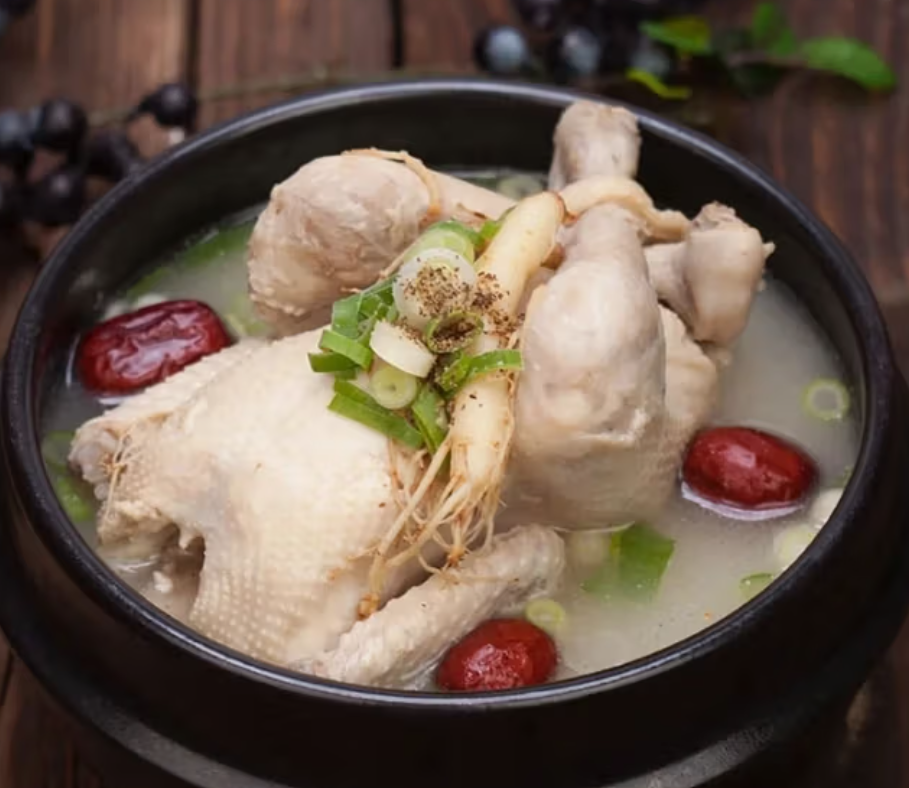
삼복 하면 가장 먼저 떠오르는 음식은 / 단연 삼계탕이에요.
When people think of Sambok, the first dish that comes to mind / is, without a doubt, Samgyetang.
어린 닭 한 마리 속에 / 인삼, 대추, 마늘, 찹쌀을 가득 채워 넣고 / 푹 고아낸 뜨끈한 삼계탕은, / 삼복 날 한국인들이 가장 즐겨 찾는 보양식이에요.
Samgyetang — a whole young chicken stuffed with ginseng, jujubes, garlic, and glutinous rice, / then slow-boiled until tender — / is the health food Koreans reach for the most on Bok days.
뜨거운 여름에 뜨거운 국물을 먹는 게 / 직관과는 정반대처럼 보일 수 있지만, / 땀을 흘리면서 몸속 노폐물을 함께 배출한다는 / 지혜가 담겨 있어요.
Eating a hot soup in the summer heat might seem like the opposite of common sense, / but there’s wisdom in it: / sweating it out also helps flush waste from the body.
Regional Variations of Boyangsik
삼계탕이 전국적으로 사랑받는 대표주자라면, / 지역마다 즐겨 먹는 여름 보양식은 / 조금씩 달라요.
While Samgyetang is the nationally beloved favorite, / the summer health foods people enjoy / vary a bit from region to region.
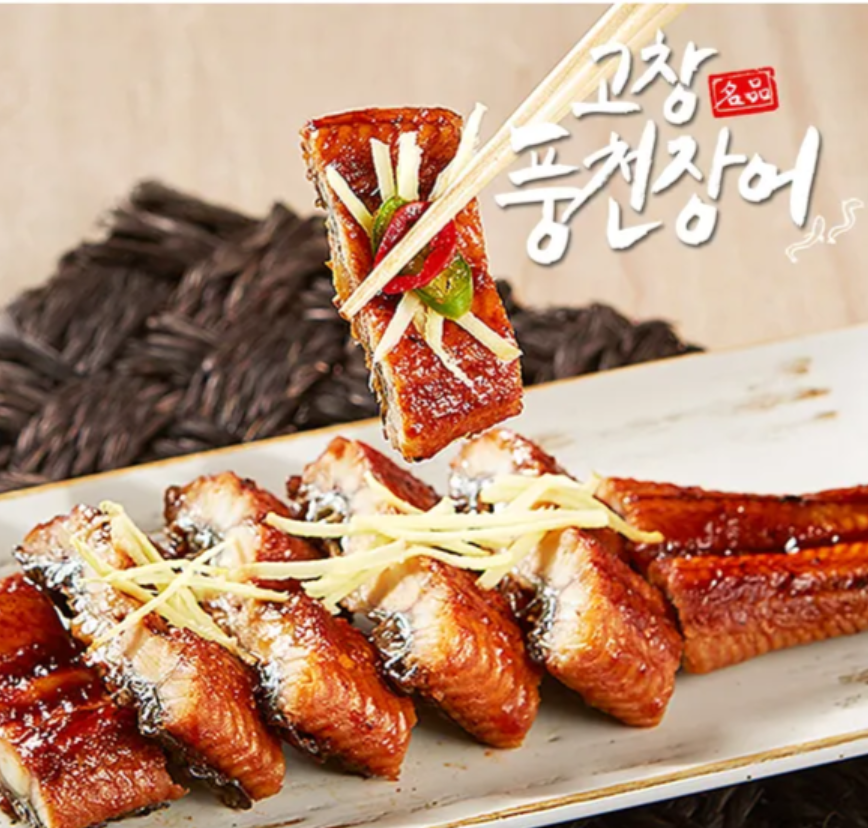
전북 고창을 비롯한 서해안 지역에서는 / 민물과 바닷물이 만나는 곳에서 자란 / ‘풍천장어’를 구워 먹는 게 유명해요.
In coastal areas like Gochang in Jeollabuk-do, / it’s famous to grill “Pungcheon-jangeo” — / eel raised where fresh water meets the sea.
서울과 경기 지역에서는 / 여름 제철 생선인 민어로 끓인 / 민어탕을 즐겨 먹어요.
In Seoul and Gyeonggi-do, / people enjoy Mineo-tang, / a soup made with croaker, a fish that’s in season during summer.
경상도 지역에서는 / 미꾸라지를 갈아 넣고 끓인 걸쭉한 국인 / 추어탕이 여름 보양식으로 사랑받아요.
In the Gyeongsang provinces, / Chueo-tang — a thick soup made with ground loach fish — / is a beloved summer tonic dish.
💡 문법 포인트: “A를 막론하고” = “A에 상관없이.” / 여기서는 지역을 막론하고 다양한 보양식이 있다는 뜻으로 확장해서 생각할 수 있어요.
Grammar point: “A를 막론하고” = “regardless of A.” / Here, you can extend the idea to mean that regardless of the region, there’s a beloved local version of boyangsik.
Cool Alternatives: Naengmyeon and Chogye-guksu

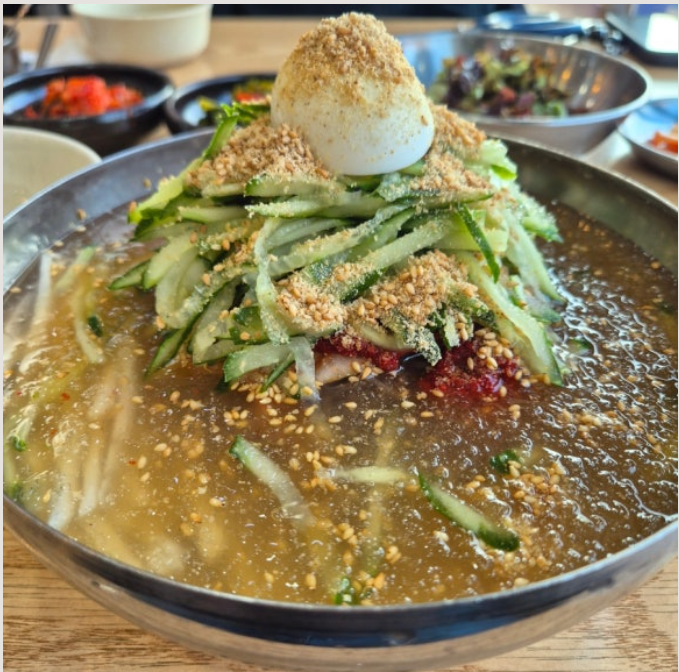
모든 한국인이 뜨거운 국물로 더위를 이겨내는 건 아니에요. / 정반대의 지혜를 따르는 사람들도 많아요 — / 차갑게 먹어서 몸의 열을 식히는 거죠.
Not all Koreans battle the heat with hot soup. / Many follow the opposite wisdom instead — / cooling the body down by eating something cold.
평양냉면과 함흥냉면은 / 이북 지역에서 유래한 대표적인 여름 별미로, / 시원한 육수나 매콤달콤한 양념에 / 메밀면을 말아 먹는 음식이에요.
Pyongyang-style and Hamheung-style Naengmyeon / are iconic summer specialties originally from the northern regions, / featuring buckwheat noodles served in a cold broth or a spicy-sweet sauce.
초계탕과 초계국수는 / 삶은 닭고기를 새콤달콤한 겨자 육수에 넣어 / 차갑게 즐기는 음식인데, / 삼계탕과 정반대되는 여름 지혜를 보여줘요.
Chogyetang and Chogye-guksu — / boiled chicken served cold in a tangy, mustard-based broth — / represent the exact opposite summer wisdom from Samgyetang.
같은 닭고기 재료로도, / 하나는 뜨겁게 먹어서 땀을 내고, / 다른 하나는 차갑게 먹어서 열을 식히니, / 두 가지 접근 방식 모두 나름의 논리가 있는 셈이에요.
Using the very same ingredient — chicken — / one dish is eaten hot to make you sweat, / while the other is eaten cold to cool you down, / so both approaches have their own logic.
💡 문법 포인트: “~ㄴ/은 셈이다” = “~한 것이나 마찬가지다.” / 앞서 설명한 두 가지 다른 방식이 / 결국 같은 목표(더위 이겨내기)를 향한다는 걸 재해석할 때 써요.
Grammar point: “~ㄴ/은 셈이다” = “it amounts to ~ / it’s as good as saying ~.” / Used here to reframe two very different methods / as both aiming at the same goal: beating the heat.
Conclusion: Two Kinds of Wisdom
뜨겁게 먹어서 땀을 내는 삼계탕과, / 차갑게 먹어서 몸을 식히는 냉면·초계국수는 / 서로 반대되는 방법처럼 보이지만, / 사실은 같은 지혜에서 나온 것들이에요.
Samgyetang, eaten hot to make you sweat, / and Naengmyeon or Chogye-guksu, eaten cold to cool the body, / may look like opposite methods, / but they actually come from the same wisdom.
여름을 견디는 방법은 / 한 가지만 있는 게 아니에요. / 여러분의 몸과 취향에 맞는 방식을 / 찾아보는 게 중요해요.
There’s more than one way / to get through the summer. / What matters is finding the approach that fits your body and taste.
다음에 한국에서 무더운 여름을 보내게 된다면, / 뜨거운 삼계탕과 시원한 초계국수 중 / 어느 쪽을 먼저 시도해 보고 싶나요?
The next time you spend a scorching summer in Korea, / which would you try first — / a hot bowl of Samgyetang, or a cool plate of Chogye-guksu?
Key Korean Expressions Summary
| 한국어 | 영어 뜻 (Meaning) |
|---|---|
| 보양식 | Health-boosting seasonal food |
| 이열치열 | “Fight heat with heat” |
| 삼복 | The Three Bok Days (hottest days of summer) |
| 삼계탕 | Ginseng chicken soup |
| 풍천장어 | Eel from where fresh and salt water meet |
| 민어탕 | Croaker fish soup |
| 추어탕 | Loach fish soup |
| 초계국수 | Cold chicken noodles in tangy mustard broth |
Review Quiz: Korea’s Summer “Boyangsik” Culture
(Answers are at the bottom.)
Part 1: Grammar Marker Matching
Match each marker to its correct English meaning.
| No. | 마커 | Your Answer |
|---|---|---|
| 1 | ~ㄹ 정도로 | |
| 2 | A를 막론하고 | |
| 3 | ~ㄴ/은 셈이다 |
English Meanings
A. Regardless of A
B. To the extent that ~ / so much that ~
C. It amounts to ~ / as good as saying ~
Part 2: Match the Region to Its Dish
| No. | 지역 | Your Answer |
|---|---|---|
| 4 | 전북 고창 (서해안) | |
| 5 | 서울/경기 | |
| 6 | 경상도 |
Dishes
A. 추어탕 (loach soup)
B. 풍천장어 (grilled eel)
C. 민어탕 (croaker soup)
Part 3: Fill in the Blank
Choose the correct word from the box.
Word box: 이열치열 / 삼복 / 삼계탕 / 초계국수
- 열은 열로 다스린다는 뜻의 사자성어는 ( )예요.
(“fight heat with heat”) - 초복, 중복, 말복을 합쳐서 ( )이라고 불러요.
(Three Bok Days) - 어린 닭에 인삼과 대추, 찹쌀을 채워 끓인 대표 보양식은 ( )예요.
(ginseng chicken soup) - 삶은 닭고기를 새콤달콤한 겨자 육수에 차갑게 넣어 먹는 음식은 ( )예요.
(cold chicken noodles)
Part 4: Comprehension Questions
Based on the passage, answer the following questions in English.
- How often do the Three Bok Days occur, and what calendar are they based on?
- Why does the passage say eating hot soup in summer isn’t as illogical as it seems?
- What do Naengmyeon and Chogyetang have in common as a philosophy, compared to Samgyetang?
Part 5: Short Answer (Open-Ended)
Answer in Korean or English.
- 여러분은 더울 때 뜨거운 음식과 차가운 음식 중 어느 쪽을 선택하는 편인가요?
(When it’s hot out, do you tend to choose hot food or cold food?)
Answer Key
Part 1
1-B, 2-A, 3-C
Part 2
4-B, 5-C, 6-A
Part 3
7. 이열치열
8. 삼복
9. 삼계탕
10. 초계국수
Part 4
11. They occur about every 10 days, based on the lunar calendar.
12. Because sweating while eating the hot soup also helps flush waste out of the body.
13. They both aim at the same goal — beating the summer heat — just through opposite methods (cooling down vs. sweating it out).
Part 5 (sample answer)
14. Open-ended — personal reflection.
Related Guides
👉 Korean Shadowing Challenge for Beginners: Lee Sang-hwa Quote
👉 Useful Korean Phrases for Travelers: Beginner Speaking Guide 1
👉 Korean Namul Recipe
👉 More Korea Wellness Posts