🌱 Intro
Welcome to this Korean Long-form Reading session.
If you want to improve your Korean effectively, I recommend practicing by reading long passages consistently.
In this article, we will explore Korea’s vegetable-centered diet and its health benefits.
1. Longevity Secrets
한국을 여행하다 보면 / 대학생처럼 보이는 사람이 / 사실은 40대라는 사실에 / 놀라는 경우가 종종 있습니다.
When traveling in Korea, you are often surprised that someone who looks like a college student is actually in their 40s.
💡Grammar point: “~다 보면” = “if you keep doing ~ / as you do ~ over time.”
It describes something you notice as a natural result of an ongoing action.
물론 유전적 요인이나 / 꾸준한 피부 관리도 영향을 미치지만, / 많은 사람들이 주목하는 또 다른 이유는 / 한국의 전통적인 식문화입니다.
Of course, genetics and consistent skincare also play a role, but another reason many people notice is Korea’s traditional food culture.
💡 Grammar point: “A도 영향을 미치지만, 또 다른 이유는 B이다” = “A also has an influence, but another reason is B.”
Acknowledge one cause, then introduce the main point.
2. Plant-Based Habits
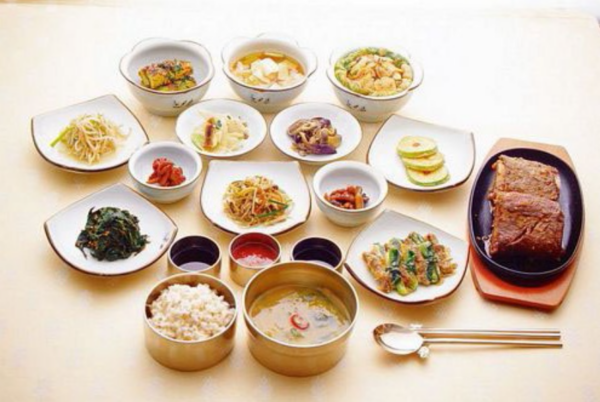
전통 한식은 / 가공식품이나 과도한 육류 섭취보다 / 채소 중심입니다.
Traditional Korean food is more vegetable-oriented than processed food or excessive meat consumption.
한 끼 식사에는 / 여러 종류의 나물과 채소 반찬이 오르며, / 국과 찌개에도 / 다양한 채소가 들어갑니다.
A single meal typically includes various seasoned vegetables and side dishes, and soups and stews also contain many kinds of vegetables.
덕분에 비타민, 미네랄, 식이섬유를 / 자연스럽게 섭취할 수 있습니다.
As a result, people naturally consume vitamins, minerals, and dietary fiber.
다양한 채소와 뿌리채소, 그리고 발효 채소를 꾸준히 섭취하는 식습관은 / 풍부한 영양소와 항산화 성분을 공급하여 / 건강한 생활을 유지하는 데 도움을 줍니다.
Regularly eating a variety of vegetables, root vegetables, and fermented vegetables provides abundant nutrients and antioxidants that help maintain a healthy lifestyle.
💡 Grammar point: “~는 데 도움을 줍니다” = “helps with ~ing / helps in ~.” “데” nominalizes the preceding clause so it can be the object of “도움을 주다.”
최근에는 / 다양한 식사 방식이 유행하고 있지만, / 한국 식탁의 기본 원칙은 / 오랫동안 크게 변하지 않았습니다.
Recently, various eating styles have become popular, but the basic principles of the Korean table have remained largely unchanged for a long time.
3. Veggies with Meat
한국식 바비큐는 고기가 중심이지만, / 신선한 채소를 함께 먹는 것이 기본입니다.
Korean barbecue is centered on meat, but eating fresh vegetables together is the norm.
상추나 깻잎에 고기를 올리고 / 생마늘, 풋고추, 쌈장을 곁들여 먹는 문화는 / 한국인에게 매우 익숙한 식습관입니다.
Wrapping meat in lettuce or perilla leaves with raw garlic, green chili peppers, and ssamjang is a very familiar eating habit for Koreans.
덕분에 고기와 함께 / 다양한 식물성 식품을 / 자연스럽게 섭취하게 됩니다.
This naturally leads people to consume a wide range of plant-based foods alongside meat.
이러한 원칙은 / 국수 요리에도 이어집니다.
This principle extends to noodle dishes as well.
국수에도 / 오이, 미나리, 당근 등 여러 채소가 곁들여집니다.
Noodles are also accompanied by cucumbers, water parsley, carrots, and other vegetables.
이는 맛뿐만 아니라 / 식감과 영양의 균형까지 고려한 / 식문화라고 할 수 있습니다.
This food culture considers not only flavor but also texture and nutritional balance.
💡 Grammar point: “~뿐만 아니라 ~도” = “not only ~ but also ~.” Once you spot “뿐만 아니라,” expect a second item introduced by “~도” shortly after.
4. Dietary Education
한국의 식문화에는 / 가정의 식습관 교육도 중요한 역할을 합니다.
In Korean food culture, the education of eating habits at home also plays an important role.
한국 아이들은 편식하지 않고 / 식탁에 오른 음식을 골고루 먹도록 교육받습니다.
Korean children are taught not to be picky and to eat a balanced variety of the food placed on the table.
고기만 먹거나 채소를 남기려 하면 / “편식하면 혼난다.”라는 말을 듣게 됩니다.
If a child tries to eat only meat or leave vegetables uneaten, they’ll hear something like, “You’ll get in trouble if you’re picky.”
💡 Grammar point: “~려 하면” = “if (someone) tries to ~.” It signals an attempted action, and the following clause usually describes the consequence.
이 가르침은 / 단순한 예절을 넘어, / 균형 잡힌 식습관을 형성하는 과정입니다.
This teaching goes beyond simple manners and is part of the process of forming a balanced diet.
5. Hansik Buffet
한국을 여행한다면 / 꼭 한 번 방문해 보길 추천하는 곳이 있습니다.
If you travel to Korea, there is a place I recommend you to visit.
바로 한식 뷔페입니다.
The Korean Cuisine Buffet.
한식 뷔페는 / 대부분의 지역에서 쉽게 찾을 수 있으며, / 비교적 합리적인 가격으로 다양한 음식을 즐길 수 있습니다.
Korean buffets can be found easily throughout the country and offer a wide variety of dishes at a reasonable price.
고기반찬 뿐 아니라 / 계절마다 달라지는 나물, 다양한 샐러드, 김치와 같은 발효 채소 등을 / 한 자리에서 맛볼 수 있습니다.
In addition to meat side dishes, you can taste seasonal herbs, various salads, and fermented vegetables such as kimchi all in one place.
6. Conclusion
한국인의 건강과 활력은 / 매일 반복되는 균형 잡힌 식사에서 / 비롯됩니다.
Korean health and vitality come from balanced meals repeated every day.
유명 맛집뿐만 아니라 / 동네 한식 뷔페에도 들러 보세요.
Stop by not only famous restaurants but also your local Korean buffet.
건강한 식탁을 / 경험할 수 있는 / 최고의 기회가 될 것입니다.
It will be the best chance to experience a healthy table.
7. The Shadow Side of Korean Food, With Real Statistics
한식이 채소 중심이라는 장점만 있는 건 아니에요. 식품의약품안전처가 2023년 발표한 국민건강영양조사 분석에 따르면, 한국인의 하루 평균 나트륨 섭취량은 3,136mg으로, 세계보건기구(WHO) 권고 기준인 2,000mg의 1.6배에 달해요.
Korean food isn’t just about vegetable-centered strengths. According to the 2023 National Health and Nutrition Examination Survey analyzed by Korea’s Ministry of Food and Drug Safety, the average daily sodium intake for Koreans is 3,136mg — 1.6 times higher than the World Health Organization’s recommended 2,000mg.
다행히 이 수치는 계속 줄어드는 추세예요. 저감 정책 이전인 2011년 4,789mg과 비교하면 34.5% 감소했고, 2019년 3,289mg과 비교해도 약 4.7% 줄었어요.
The good news is this figure is on a downward trend. Compared to 4,789mg in 2011 (before reduction policies began), it has dropped 34.5%, and it’s also down about 4.7% from 3,289mg in 2019.
나트륨의 절반 이상은 면·만두류, 김치류, 국·탕류, 볶음류, 찌개·전골류에서 나와요. 즉, 이 글에서 소개한 국·찌개·김치 중심 식문화가 채소 섭취에는 좋지만, 나트륨 과다 섭취의 주된 원인이기도 해요.
Over half of this sodium comes from noodles/dumplings, kimchi, soups/stews, stir-fries, and jjigae/jeongol. In other words, the soup-, stew-, and kimchi-centered food culture described in this article is great for vegetable intake, but it’s also a major source of excess sodium.
당류 섭취도 살펴볼 필요가 있어요. 2023년 기준 한국인의 하루 평균 당류 섭취량은 35.5g으로, 2019년 36.8g과 비슷한 수준을 유지하고 있어요.
Sugar intake is also worth examining. As of 2023, the average daily sugar intake for Koreans was 35.5g, a level similar to 36.8g in 2019.
8. Practical Ways to Reduce Sodium
국물을 다 마시지 않기: 국이나 찌개의 국물에 나트륨이 많이 녹아 있어요. 건더기 위주로 먹고 국물은 남기는 습관만으로도 섭취량을 크게 줄일 수 있어요.
Don’t Finish the Broth: A lot of sodium dissolves into the broth of soups and stews. Just eating mostly the solid ingredients and leaving the broth can significantly cut your intake.
김치는 양을 조절하기: 김치는 훌륭한 발효식품이지만 염분이 높아요. 한 끼에 한두 조각 정도로 즐기는 게 균형 잡힌 방법이에요.
Moderate Your Kimchi Portions: Kimchi is a great fermented food, but it’s high in salt. Enjoying just one or two pieces per meal is a balanced approach.
가공면·즉석식품 주의하기: 라면, 즉석 냉면, 가공 만두류는 나트륨이 매우 높은 경우가 많아서, 자주 먹기보다는 가끔 즐기는 게 좋아요.
Watch Out for Processed Noodles and Instant Foods: Instant ramyeon, packaged cold noodles, and processed dumplings often have very high sodium, so it’s better to enjoy them occasionally rather than often.
9. Sample Day of a Healthy Korean Diet
아침: 현미밥, 두부된장국(건더기 위주, 국물 적게), 나물 반찬 2가지, 김 약간.
Breakfast: Brown rice, tofu doenjang soup (mostly solids, less broth), two seasoned vegetable side dishes, a bit of seaweed.
점심: 잡곡밥, 생선구이나 살코기 반찬, 채소볶음, 김치 한두 조각.
Lunch: Multigrain rice, grilled fish or lean meat, stir-fried vegetables, one or two pieces of kimchi.
저녁: 채소 중심 비빔밥(고추장 소량), 두부나 계란 반찬, 나물 반찬.
Dinner: Vegetable-centered bibimbap (a small amount of gochujang), a tofu or egg side dish, seasoned vegetable side dishes.
💡Tip: Rather than having soup or stew with every meal, including a broth-based dish just once a day is also a good way to reduce sodium.
10. How to Choose When Eating Out
국물 요리보다 비빔·구이 위주로: 외식할 때는 국물이 많은 메뉴보다 비빔밥, 구이류, 볶음류를 고르면 나트륨 섭취를 줄일 수 있어요.
Choose Bibim/Grilled Dishes Over Soup Dishes: When eating out, choosing bibimbap, grilled dishes, or stir-fries over broth-heavy menus helps reduce sodium intake.
반찬을 골고루, 소스는 따로: 반찬은 다양하게 먹되, 찍어 먹는 소스나 양념장은 따로 요청해서 양을 조절하세요.
Vary Your Side Dishes, Ask for Sauce on the Side: Enjoy a variety of side dishes, but request dipping sauces or seasoning separately so you can control the amount.
한식 뷔페 활용: 이 글에서 소개한 한식 뷔페는 나물과 채소 반찬을 골라 담을 수 있어서, 나트륨을 조절하면서도 다양한 채소를 즐기기 좋은 선택이에요.
Use a Hansik Buffet: The Korean buffet mentioned in this article lets you choose your own vegetable side dishes, making it a good option for enjoying variety while controlling sodium.
11. Healthy Choices at Marts and Convenience Stores
나물무침 팩, 두부, 계란, 방울토마토, 삶은 채소 팩은 대부분의 마트와 편의점에서 쉽게 구할 수 있는 건강한 선택지예요.
Seasoned vegetable packs, tofu, eggs, cherry tomatoes, and pre-cooked vegetable packs are healthy options easily found at most marts and convenience stores.
즉석식품을 고를 때는 나트륨 함량 표시를 확인하는 습관을 들이면, 하루 기준치의 몇 %인지 바로 알 수 있어요.
When choosing instant foods, checking the sodium content label lets you immediately see what percentage of the daily standard it represents.
📚 References
This article was written with reference to the following official sources.
Ministry of Food and Drug Safety (MFDS), “Analysis of National Sodium and Sugar Intake” (based on the 2019–2023 National Health and Nutrition Examination Survey), released 2025.
World Health Organization (WHO), Sodium Intake Guideline (2,000mg per day).
This article provides general dietary information and is not a substitute for medical advice. For dietary adjustments based on individual health conditions, please consult a doctor or nutritionist.
📌 Key Korean Expressions Summary
| 한국어 | 영어 |
|---|---|
| ~에 오신 것을 환영해 | Welcome to ~ |
| 실력을 향상시키다 | Improve one’s skills |
| 꾸준히 연습하다 | Practice consistently |
| ~에 대해 알아보다 | Learn about ~ |
| 채소 중심 식단 | Vegetable-centered diet |
| ~다 보면 | As you keep doing ~ |
| ~처럼 보이는 사람이 사실은 ~이다 | Someone who looks like ~ is actually ~ |
| ~라는 사실에 놀라다 | Be surprised by the fact that ~ |
| ~도 영향을 미치지만, 또 다른 이유는 ~이다 | ~ also has an influence, but another reason is ~ |
| ~을 중심으로 구성되다 | Be built around ~ |
| 덕분에 ~할 수 있다 | Thanks to ~, can ~ |
| ~에 도움을 주다 | Help with ~ |
| 건강한 생활을 유지하다 | Maintain a healthy lifestyle |
| ~을 곁들여 먹다 | Serve with / accompany with ~ |
| 한국인에게 매우 익숙하다 | Be very familiar to Koreans |
| ~에도 이어지다 | Extend to ~ / continue to ~ |
| ~뿐만 아니라 ~도 | Not only ~ but also ~ |
| ~라고 할 수 있다 | Can be said to be ~ |
| 골고루 먹다 | Eat a balanced variety of foods |
| ~도록 교육받다 | Be taught to ~ |
| 습관을 형성하는 과정 | The process of forming a habit |
| 꼭 한 번 방문해 보세요 | Be sure to visit at least once |
| 비교적 합리적인 가격으로 | At a relatively reasonable price |
| 계절마다 달라지는 ~ | ~ that changes with each season |
| 한 자리에서 맛볼 수 있습니다 | You can taste it all in one place |
| A가 아니라 B에서 비롯되다 | Come not from A but from B |
| ~에 들러 보다 | Stop by ~ |
If you have any questions about Korea or Korean culture, please let me know in the comments.
📝 Review Quiz: “Healthy Korean Diet”
Part 1. Grammar Pattern Matching
Match each pattern to its correct English meaning.
| No. | 패턴 | Your Answer |
|---|---|---|
| 1 | ~다 보면 | |
| 2 | ~는 데 도움을 줍니다 | |
| 3 | ~뿐만 아니라 ~도 | |
| 4 | ~려 하면 |
English Meanings
A. Not only ~ but also ~ B. Helps with ~ing C. If you keep doing ~ / as you do ~ over time D. If (someone) tries to ~
Part 2. Fill in the Blank
Choose the correct word from the box.
Word box: 쌈장 / 나물 / 골고루 / 한식 뷔페
- 상추에 고기를 올리고 생마늘, 풋고추, ( )을 곁들여 먹어요. (ssamjang)
- 한국 아이들은 식탁에 오른 음식을 ( ) 먹도록 교육받아요. (evenly / a balanced variety)
- 계절마다 달라지는 ( )와 다양한 샐러드를 한 자리에서 맛볼 수 있어요. (seasoned vegetables)
- 대부분의 지역에서 쉽게 찾을 수 있는 곳은 ( )예요. (Korean buffet)
Part 3. Comprehension Questions
Based on the passage, answer the following questions in English.
- According to the passage, what surprises many travelers about Koreans’ appearance?
- What is wrapped in lettuce or perilla leaves along with meat in Korean BBQ culture?
- What do Korean children hear if they only eat meat and leave their vegetables?
- What three types of vegetables does the passage say are eaten regularly for their nutrients and antioxidants?
- According to the conclusion, where does Korean health and vitality come from?
Part 4. Short Answer (Open-Ended)
Answer in Korean or English.
- 여러분 나라의 전통 식단도 채소 중심인가요? 한식과 비교하면 어떤가요?
(Is your country’s traditional diet also vegetable-centered? How does it compare to Korean food?)
✅ Answer Key
Part 1
1-C, 2-B, 3-A, 4-D
Part 2
5. 쌈장 6. 골고루 7. 나물 8. 한식 뷔페
Part 3
9. That someone who looks like a college student is actually in their 40s.
10. Raw garlic, green chili peppers, and ssamjang.
11. “You’ll get in trouble if you’re picky.”
12. Vegetables, root vegetables, and fermented vegetables.
13. From balanced meals repeated every day.
Part 4 (예시 답안 / sample answer)
14. Open-ended — personal reflection.