💬Korean Conversation: Blood Type Testing
오늘은 영상을 보면서 한국어 공부하자.
Let’s study Korean while watching a video today.
본문으로 들어가기 전에, 핵심 단어들을 먼저 살펴볼게.
Before we dive into the passage, let’s take a look at these key words.
이 단어들 중 이미 알고 있는 것이 있는지 확인해보는 것은 / 본문을 읽을 때 훨씬 쉽고 효과적인 ‘선행 학습’과도 같아!
Checking if you already know any of these will definitely make reading the text much easier and more effective, / almost like a warm-up session!
Vocabulary Matching Quiz
아래 한국어 표현과 영어 뜻을 알맞게 연결해봐.
Match the Korean expression below with the English meaning.
| # | 한국어 | Your Answer |
|---|---|---|
| 1 | 혈액형 | ( ) |
| 2 | 독자 | ( ) |
| 3 | 친부모 | ( ) |
| 4 | 닮다 | ( ) |
| 5 | 고비 | ( ) |
| 6 | 존중하다 | ( ) |
| 7 | 버리다 | ( ) |
| 8 | 까불다 | ( ) |
| 9 | 출생의 비밀 | ( ) |
| 10 | 가상의 인물 | ( ) |
보기 (English Meaning)
a. To resemble / look alike
b. A rough patch / tough spot
c. Blood type
d. To abandon
e. Only son (formal term)
f. Biological parents
g. A secret about one’s birth
h. To respect
i. To be playful / mischievous
j. A fictional/imaginary person
Introduction
안녕! Intermediate Korean Study Guide 시리즈 첫 번째 시간에 온 걸 환영해.
Hello everyone! Welcome to our first session of the Intermediate Korean Study Guide series.
오늘은 자기 혈액형이 원래 알던 것과 다르다는 걸 알게 된 / 주인공의 이야기로 중급 한국어를 연습해볼 거야.
Today, we’re going to practice intermediate-level Korean by diving into the story / of a protagonist who grew up believing he had a different blood type than his own.
되게 흥미롭고 마음이 찡한 에피소드라서, / 자연스러운 회화 표현을 배우기에 딱 좋아.
It’s a fascinating and heart-touching episode, / making it perfect for learning natural, conversational expressions.
내용이 그렇게 어렵지 않아서 / 누구나 쉽게 따라올 수 있을 거야.
The content isn’t overly difficult, so everyone can easily follow along.
진짜 리듬과 뉘앙스를 익힐 수 있게, / 발음 가이드는 꼭 필요한 곳에만 넣었어.
To help you master the authentic rhythm and nuance of the language, / pronunciation guides are included only where absolutely necessary.
준비됐어? 이 흥미진진한 이야기 속으로 같이 들어가보자!
Are you ready to jump into this intriguing story with me? Let’s get started!
Source: https://www.youtube.com/shorts/ZOHiH_0n-0w

Dialogue: The Blood Type Test
중학교에 들어가면 제일 먼저 하는 게 혈액형이에요.
When you enter middle school, the first thing you do is blood type testing.
혈액형 검사를 한다고.
Blood type test done.
내가 A형인 거예요. 아, A형이구나.
It turned out I was type A. Oh, I’m type A.
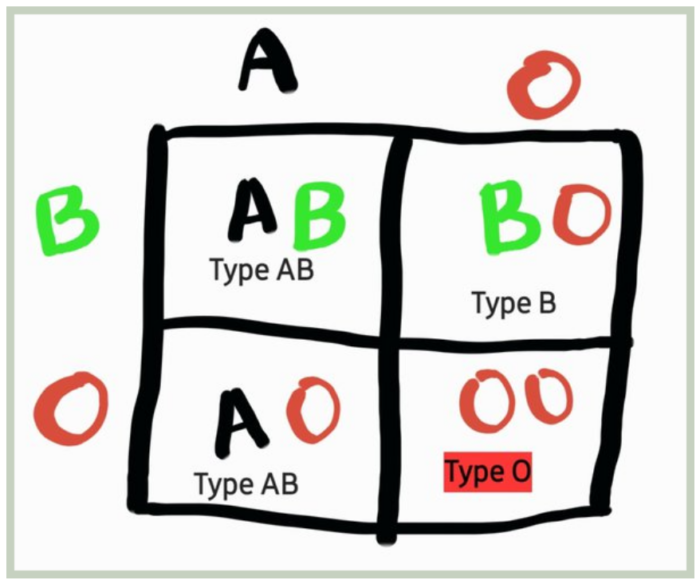
집에 와서 엄마 혈액형 뭐야,
I came home, “Mom, what’s your blood type?”
엄마? B형, 아빠 O형. B, B, O,
Mom? Type B, Dad is type O. B, B, O…
A가 안 나오는 거야.
Type A just wasn’t coming out.
어, 줏어왔구나.
Oh, I was picked up.
출생의 비밀, 출생의 비밀인 거지.
It’s a birth secret, a secret about my birth.
이거 줏어온거잖아요.
This must mean I was picked up (adopted secretly).
심지어 내가 외아들, 독자예요.
I’m even the only son, the only son.
The Difference Between 외아들, 외동아들, and 독자
세 단어 다 “only son”(형제자매 없는 남자)을 뜻해.
All three terms mean an “only son” (a man with no siblings).
외아들: 직역하면 “바깥 아들” 또는 “하나뿐인 아들.” / 형제가 없는 남자를 가리키는 아주 흔하고 표준적인 표현이야.
Literally “outside son” or “only son.” / This is a common, standard term used to describe a male who has no brothers or sisters.
외동아들: ‘외아들’과 같은 뜻이야. / ‘외동’이 외동아이(외자녀)를 뜻해서 ‘아들’을 붙이면 “외동아들”이 돼. / 일상 대화에서 아주 자주 써.
This is synonymous with 외아들. / The word 외동 refers to an only child, so adding 아들 (son) makes it “only son.” / This is very commonly used in daily conversation.
독자(獨子): 한자어에서 온 표현이야. / 조금 더 격식 있고 전통적인 뉘앙스가 있고, / 가문의 대나 ‘하나뿐인 아들’이라는 걸 강조할 때 자주 써.
This is a Sino-Korean (Hanja) term. / It carries a slightly more formal or traditional nuance, / often used to emphasize the family line or the fact that he is the “sole son” in a lineage.
애를 못 낳았구나. 아~
They can’t have children. Ah~
사진첩을 찾아봐요.
I looked for the photo album.
몇 살때 왔느냐 내가.
When I came here.
내가 돌 잔치 사진 있나?
Do I have photos from my first birthday party?
있어요. 어, 어, 철저하게 준비했군.
I have. Wow, they prepared thoroughly.
이미 나는 남이야, 남.
I’m already a stranger. A stranger.
거기서 이제 내가 결정을 내려야 될 게 뭐냐면,
Now, I had to make a decision there.
친부모를 찾느냐,
Should I look for my biological parents,
아니면 이분들을 그냥 부모로 모시고 사느냐.
or should I live with these people as my parents?
잠깐, 여기서 여기 잠깐 너무 흥미진진하다.
Wait, this part is really intriguing.
아, 원샷을 때릴 수 밖에 없어.
I just had to take it all in at once.
아, 고민고민하다가
After thinking and thinking,
날 버리신 분들은 내 부모가 아니다.
I decided that those who abandoned me are not my parents.
날 키우신 분들이 내 부모다.
The people who raised me are my parents.
나는 이분들을 그냥 부모로 생각하고 살련다.
I’ll just think of these people as my parents.
살면서 나 느낀 게 있었지.
While living, I realized something.
그래서 엄마가 나 이렇게 때렸구나.
That’s why Mom hit me like this.
저 그 맞은 거를 지금 너무 감사해요.
I’m so thankful that I got hit.
안 그랬으면 진짜 너무 까불었을 거야.
If I didn’t, I’d have been way too playful.
군대 가서, 군대 가면 혈액형 검사 하잖아요.
When I go to the military — they do a blood type test there.
그때까지 진짜 그렇게 생각하고 산 거야?
Did you really think that way until then?
중학교때부터 군대 갈 때까지요?
From middle school until you go to the army?
어, 우리 부모 인정. 오케이, 끝. B형. 네? 충성?
Oh, my parents acknowledged it. Okay, that’s it. Type B. Wait, what?
잠깐만요. 아니 뭐라고요?
Hold on. What did you say?
B형? 거절하겠습니다.
Type B? I refuse to accept that.
아, 그 바뀐 거예요.
Ah, it must have changed.
내가 그 B형 엄마, 아줌마, 아저씨랑 살면서 막 어떤 생각까지 했냐면,
While living with those B-type parents, I even thought things like…
자라오면서 야, 같이 살면 닮는다더니 이렇게 참 닮았네.
As I grew up — I heard that people start to resemble each other when they live together, and you really look so much alike.
아줌마, 아저씨인데 내가 물어보려고 그랬어.
Just aunt and uncle — I was going to ask.
아 좀 너무 심하네.
It’s a bit too much.
아무리 친아들 아니더라도 이렇게까지 할 수가 있나?
Even if I’m not their biological son, can it go this far?
아 진짜 그냥 친부모 한번 찾아봐.
“Just try finding your biological parents.”
이런 고비 없었어? 전혀 없었어요.
“Did you ever hit a rough patch?” “Not at all.”
Idiom Note: 고비 (Rough Patch)
‘고비’는 영어로 “rough patch” 또는 “tough spot”이라고 표현할 수 있어.
“고비” can be translated as “rough patch” or “tough spot” in English.
살면서 인생의 힘든 고비를 겪은 적 있나요?
“Did you ever hit a rough patch in your life?”
정말 힘든 고비를 겪어본 적이 있나요?
“Have you ever been through a really rough patch?”
내가 싫어서 버렸거나 아니면 어려워서 버렸구나, 이건데,
“They abandoned me because they didn’t like me, or because they were struggling?”
얼마나 어려웠으면 그 힘든 마음에 버렸을 것이고,
“How difficult it must have been that they’d abandon me in that hard heart,”
이유가 있었을 거고 그 이유를 내가 존중하겠다.
“and there must have been their reason, and I will respect that reason.”
근데 자꾸 계시지도 않는 분을 얘기하는 거잖아요.
But you’re talking about someone who’s not even here.
버린 사람이 아무도 없는데 그분들은 자꾸…
There’s no one who abandoned you, but they keep…
가상의 인물을 부정하고, 거절하고, 찾지 않고.
Denying a fictional character, turning it down, not looking for it.
엄마, 아빠한테 언젠가 얘기한 적이…?
Have you ever told Mom and Dad…?
얘기 안 했어요. 이게 지금 오늘 아실 거예요.
I haven’t. They’ll find out for the first time today.
지금 처음 아시는 거야. 3초 전, 3초 전.
They are learning this for the first time right now. 3 seconds ago, 3 seconds ago.
그래서 ‘저 자식이 중1 때부터 약간 이상해졌었구나…’
So they must be thinking, “My son has gotten a little weird since he was in 8th grade…”
Pronunciation Notes
| 표기 (Written Form) | 발음 (Spoken/Linked Pronunciation) |
|---|---|
| 중학교에 들어가면 | (중학꾜에 드러가면) |
| 혈액형 | (혀래켱) |
| 줏어왔구나 | (주서와꾸나) |
| 출생의 비밀인 거지 | (출쌩의 비미린 거지) |
| 이거 줏어온거잖아요 | (이거 주서온거자나요) |
| 독자 | (독짜) |
| 사진첩을 찾아봐요 | (차자봐요) |
| 있어요, 준비했군 | (이써요, 준비해꾼) |
| 내가 싫어서 | (시러서) |
| 얼마나 어려웠으면 | (어려워쓰면) |
| 버렸을 것이고 | (버려쓸 꺼시고) |
| 이유가 있었을 거고 | (이써쓸꺼고) |
| 약간 이상해졌었구나 | (야깐 이상해져썼꾸나) |
Cultural Reflection
결국 가족은 피로 맺어진 것만이 전부가 아니야.
In the end, family isn’t just about blood;
우리가 매일 함께 쌓아가는 사랑과 보살핌, 그리고 추억이 진짜 가족이지.
it’s about the love, care, and memories we build together every single day.
여러분도 가족을 바라보는 시각을 바꾼 특별한 순간이 있었어?
Have you ever had a moment that changed the way you view your family?
댓글로 여러분의 이야기를 들려줘.
I’d love to hear your thoughts in the comments below.
Key Korean Expressions Summary
| 한국어 | 발음 | 영어 뜻 |
|---|---|---|
| 혈액형 | (혀래켱) | Blood type |
| 외아들 / 외동아들 | Only son (standard/common term) | |
| 독자 | (독짜) | Only son (formal, Sino-Korean term) |
| 줏어오다 (주워오다) | (주서오다) | To pick up / to have been “picked up” (adopted secretly) |
| 출생의 비밀 | (출쌩의 비밀) | A secret about one’s birth |
| 친부모 | Biological parents | |
| 닮다 | (담따) | To resemble / look alike |
| 고비 | A rough patch / tough spot in life | |
| 존중하다 | To respect | |
| 가상의 인물 | A fictional/imaginary person | |
| 버리다 | To abandon / to throw away | |
| 까불다 | To be playful / mischievous |
Frequently Asked Questions
What’s the difference between 외아들 and 독자?
의미는 같지만, 독자는 한자어라 좀 더 격식 있고 전통적인 느낌을 주고, 외아들/외동아들은 일상 대화에서 더 자주 쓰여.
They mean the same thing, but 독자 is a Sino-Korean term with a more formal, traditional feel, while 외아들/외동아들 is used more often in everyday conversation.
Why did the man decide not to look for his biological parents?
그를 버린 사람들의 이유를 존중하면서도, 자신을 실제로 키워준 사람들이 진짜 부모라고 결론 내렸기 때문이야.
He respected whatever reason the people who abandoned him might have had, but concluded that the people who actually raised him were his real parents.
Why was the blood type test result confusing at first?
부모님 혈액형이 B형과 O형인데 본인은 A형이 나와서, 유전적으로 말이 안 된다고 생각해 입양됐다고 착각한 거야.
Since his parents were type B and O, but his own result came out as type A, it seemed genetically impossible, leading him to mistakenly assume he had been adopted.
Related Lessons
👉 Korean Conversation: The Art of Persuasion
👉 Korean Conversation: Korea’s Acrostic Poem
👉 More Conversation Lessons
Review Quiz: Blood Type Testing
(Answers are at the bottom.)
Part 1: Vocabulary Matching
Match each Korean word to its meaning.
- 혈액형
- 독자
- 친부모
- 닮다
- 고비
- 존중하다
- 버리다
- 까불다
- 출생의 비밀
- 가상의 인물
A. To resemble / look alike B. Only son (formal term) C. Biological parents D. To respect E. A rough patch / tough spot F. Blood type G. A secret about one’s birth H. To be playful / mischievous I. To abandon J. A fictional/imaginary person
Part 2: Fill in the Blank
Choose the correct word from the box.
Word box: 고비 / 닮았네 / 친부모 / 존중하겠다
- 같이 살면 ( )더니 이렇게 참 닮았네. (resemble)
- ( )를 찾느냐, 아니면 이분들을 부모로 모시고 사느냐. (biological parents)
- 이유가 있었을 거고 그 이유를 내가 ( ). (I will respect)
- 이런 ( ) 없었어? (rough patch)
Part 3: Comprehension Questions
Based on the dialogue, answer the following questions in English.
- Why did the man initially think he might have been “picked up” (adopted secretly)?
- What decision did he ultimately make about who his “real” parents were?
- What event years later revealed that his blood type had actually changed?
- According to the man, how did being hit by his mother growing up end up affecting him positively?
Part 4: Short Answer (Open-Ended)
Answer in Korean or English.
- 여러분은 가족을 “진짜 가족”으로 만드는 게 뭐라고 생각해요?
(What do you think makes a family a “real family”?)
Answer Key
Part 1
1-F, 2-B, 3-C, 4-A, 5-E, 6-D, 7-I, 8-H, 9-G, 10-J
Part 2
11. 닮았네
12. 친부모
13. 존중하겠다
14. 고비
Part 3
15. Because his own blood type came out as A, while his parents’ types were B and O, which didn’t seem genetically possible to him.
16. He decided that the people who raised him, not the people who might have abandoned him, were his real parents.
17. A blood type test during his military service revealed his type was actually B, not A.
18. He came to appreciate it, realizing it may have kept him from becoming “too playful” (undisciplined) as he grew up.
Part 4 (sample answer)
19. Open-ended — personal reflection.