💬Korean Shadowing Challenge: Effort Beats Talent
최신 한국어 쉐도잉 연습 시간에 온 걸 환영해.
Welcome to our latest Korean Shadowing practice session.
오늘은 여러분이 더 자연스럽게 말할 수 있도록 / ‘노력이 재능을 이긴다’는 주제를 살펴볼 거야.
Today, we’re exploring the theme “Effort beats talent” / to help you speak more naturally.
How to Shadow Effectively
1. Listen Carefully First
시작하기 전에, / 오디오를 여러 번 들어봐.
Before you start, listen to the audio several times.
화자의 억양, 리듬, 그리고 강세에 / 집중해봐.
Pay attention to the speaker’s intonation, rhythm, and stress.
2. Mimic the Sound Exactly
동시에 화자를 쉐도잉해봐.
Try to shadow the speaker at the same time.
잠시 의미는 걱정하지 마 — / 오직 소리에만 집중해봐.
Don’t worry about the meaning for a moment; just focus on the sound.
입이 한국어 발음에 익숙해질 때까지 / 이 과정을 반복해봐.
Repeat this process until your mouth gets used to the Korean pronunciation.
3. Record and Compare Your Voice
쉐도잉하는 동안 스스로를 녹음해봐.
Record yourself while shadowing.
녹음본을 듣고 / 원본 오디오와 비교해봐.
Listen to your recording and compare it with the original audio.
속도와 리듬이 / 원어민과 비슷한지 확인해봐.
Check if your speed and rhythm are similar to the native speaker.
4. Understand the Meaning
소리가 편안해지면, 의미에 집중해봐.
Once you are comfortable with the sound, focus on the meaning.
이건 문장 구조를 / 자연스럽게 내면화하는 데 도움이 돼.
This helps you internalize the sentence structure naturally.
이 한국어 쉐도잉은 아이들이 모국어를 습득하는 방식처럼 / 문장 구조를 내면화하는 데 도움이 되도록 설계됐어.
This Korean Shadowing method is designed to help you internalize sentence structures, / just like how children acquire their first language.
Motivation: Effort Beats Talent
세상에는 언어에 타고난 천재들이 있어.
There are geniuses who are naturally gifted with language in the world.
그들은 며칠 만에 수개국어를 습득하기도 하지.
They sometimes acquire several languages in just a few days.
하지만 우리가 그들처럼 ‘완벽’할 필요가 있을까?
But do we need to be “perfect” like them?
우리의 목표는 꾸준한 노력으로 / 한국 어린이들만큼 한국어를 자연스럽게 구사하는 거야.
Our goal is to speak Korean as naturally as Korean children / through steady effort.
재능은 시작을 돕지만, / 결국 끝까지 가게 만드는 건 ‘연습’이라는 사실을 잊지 마.
Don’t forget that talent helps you start, / but it is “practice” that makes you reach the end.
오늘도 힘내서 함께 연습해보자!
Let’s cheer up and practice together today!
Source: https://www.youtube.com/shorts/l9pYSSwIOFM

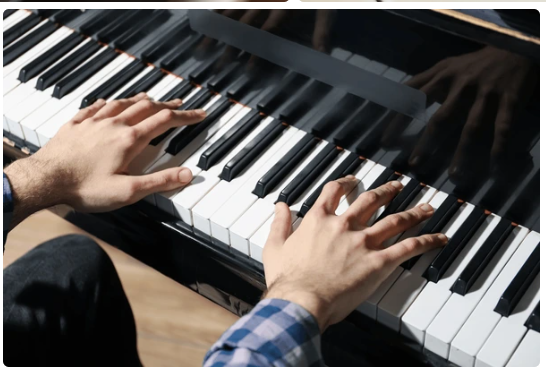
The Piano Story
“피아노를 전 하나도 못 치거든요.”
“I can’t play the piano at all.”
“근데 만약에 제가 하루에 8시간씩 세 달을 피아노를 쳐요.”
“But if I practice piano for 8 hours a day for three months.”
“하루에 8시간씩. 그러면 저 3개월 후에 제가 피아노 웬만한 거 다 치겠죠.”
“8 hours a day. Then, after 3 months, I’ll be able to play most things on the piano.”
“‘피아노에 재능 있다’라고 얘기할 거예요. 그렇죠?”
“People will say, ‘You have a talent for piano.’ Right?”
“그런데 만약에 10년 동안 피아노를 친 사람이, / 정말 피아니스트가 저를 보면 우습겠죠.”
“But if someone who has played the piano for 10 years, a real pianist, looks at me, / they would find it funny.”
“3개월 친 거 보고. 바로 재능은 이런 거예요.”
“Looking at me, having played for only 3 months. That’s exactly what talent is.”
“재능은 우리가 무시해도 되는 수준이에요.”
“Talent is at a level that we can afford to ignore.”
“어떤 친구들은 10시간을 해야 되는데, / 어떤 친구들은 3시간 만에 되는 친구들이 있어요.”
“Some friends need to practice for 10 hours, / while others can do it in 3 hours.”
“우리가 그때 ‘어, 쟤는 저거에 재능 있다’라고 얘기하거든요.”
“At that moment, we say, ‘Oh, they have a talent for that.'”
“그런데 노력이 재능을 이깁니다.”
“However, effort beats talent.”
“근데 대부분 친구들이 이 말을 믿지 않아요.”
“But most people don’t believe this.”
“이 말을 믿지 않기 때문에 노력하지 않아요.”
“Because they don’t believe this, they don’t put in the effort.”
Vocabulary Notebook
| 한국어 | 영어 뜻 | 본문 속 예문 |
|---|---|---|
| 재능 | Talent | 재능은 시작을 돕지만 (Talent helps you start) |
| 노력 | Effort | 노력이 재능을 이깁니다 (Effort beats talent) |
| 천재 | Genius | 언어에 타고난 천재들이 있어 (There are naturally gifted geniuses at language) |
| 발음 | Pronunciation | 한국어 발음에 익숙해질 때까지 (Until you get used to Korean pronunciation) |
| 리듬 | Rhythm | 억양, 리듬, 그리고 강세 (Intonation, rhythm, and stress) |
| 원어민 | Native speaker | 원어민과 비슷한지 확인해봐 (Check if it’s similar to a native speaker) |
| 문장 구조 | Sentence structure | 문장 구조를 내면화하는 데 (For internalizing the sentence structure) |
| 수준 | Level | 무시해도 되는 수준이에요 (It’s at a level we can afford to ignore) |
| 방식 | Way / method | 모국어를 습득하는 방식처럼 (Just like the way children acquire their native language) |
| 타고나다 | To be born with (a talent) / innate | 언어에 타고난 천재들이 있어 (There are people naturally gifted with language) |
| 습득하다 | To acquire / to learn | 수개국어를 습득하기도 하지 (They sometimes acquire several languages) |
| 완벽하다 | To be perfect | 우리가 그들처럼 ‘완벽’할 필요가 있을까? (Do we need to be “perfect” like them?) |
| 꾸준하다 | To be steady / consistent | 꾸준한 노력으로 (Through steady effort) |
| 구사하다 | To speak fluently / to command (a language) | 자연스럽게 구사하는 거야 (To speak it naturally) |
| 무시하다 | To ignore / to disregard | 우리가 무시해도 되는 수준이에요 (It’s at a level we can afford to ignore) |
| 웬만하다 | To be decent / passable | 웬만한 거 다 치겠죠 (I’ll be able to play most things) |
| 억양 | Intonation | 화자의 억양, 리듬, 그리고 강세 (The speaker’s intonation, rhythm, and stress) |
| 내면화하다 | To internalize | 문장 구조를 내면화하는 데 도움 (It helps you internalize the sentence structure) |
💡 Korean Grammar & Expression Guide
1. Grammar Pattern: ~를/을 이기다 (To beat / overcome)
In the sentence “노력이 재능을 이깁니다” (Effort beats talent), the verb 이기다 means “to win” or “to beat.”
- Pattern: [Noun + 이/가] + [Noun + 을/를] + 이기다
- Example:
- 꾸준함이 천재를 이겨요. (Consistency beats a genius.)
- 연습이 부담감을 이깁니다. (Practice overcomes pressure.)
2. Expression: 웬만하다 (To be decent / passable)
In the story, the speaker says: “피아노 웬만한 거 다 치겠죠.”
- Meaning: “웬만하다” is a common spoken expression that means something is at a reasonable, passable, or decent level.
- Usage in Daily Life:
- 웬만한 사람은 다 알아. (Most ordinary people know it.)
- 이 정도면 웬만해서는 괜찮아. (This should be decent enough in most cases.)
3. Natural Nuance: ~해도 되는 (Okay to / Afford to)
Notice the line “우리가 무시해도 되는 수준이에요” (It’s at a level we can afford to ignore).
- Grammar: Verb Stem + -아/어/여도 되다 (It is okay to [verb])
- Nuance: It expresses permission or that something is negligible enough that you don’t need to worry about it.
- Example:
- 지금 들어가도 돼요? (Is it okay to go in now?)
- 이 소음은 신경 안 써도 돼요. (You don’t need to worry about this noise.)
Frequently Asked Questions
Does the speaker mean that practice always matters more than talent?
응, 요점은 타고난 재능 차이는 신경 쓸 필요도 없을 만큼 작다는 거야 — 결과를 결정짓는 건 얼마나 노력했는지야.
Yes, the point is that natural talent differences are small enough that they shouldn’t matter — what really determines the outcome is how much effort someone puts in.
Why does the speaker use the piano example instead of a language example?
언어 학습 자체보다 이해하기 쉬운 예시를 들어서, 짧은 시간에 결과가 나오는 게 재능이 아니라 노력 때문이라는 걸 더 직관적으로 보여주는 거야.
Using an example simpler than language learning itself makes it more intuitive to show that quick results come from effort, not talent.
Why does the speaker say most people don’t put in the effort?
대부분의 사람들이 “노력이 재능을 이긴다”는 말을 믿지 않아서, 스스로 증명할 만큼 충분히 노력하지 않는다고 설명해.
The speaker explains that most people don’t believe “effort beats talent,” so they never try hard enough to prove it to themselves.
Related Lessons
👉 Korean Conversation: Getting Married
👉 Korean Conversation: How to Use the Market
👉 More Korean Mentor Talks
Quiz: Test Your Understanding
Beginner — Vocabulary & Sentence Meaning
- What does “재능” mean in this passage?
a) Effort b) Talent c) Practice - What does “노력이 재능을 이깁니다” mean?
a) Effort beats talent b) Talent beats effort c) Effort equals talent - Fill in the blank: “피아노를 전 하나도 ___ 치거든요.” (I can’t play the piano at all.)
a) 잘 b) 못 c) 다 - What does “믿지 않아요” mean?
a) I don’t believe (it) b) I don’t know c) I don’t want
Intermediate — Comprehension & Fill-in-the-Blank
- Complete the sentence: “근데 만약에 제가 하루에 ___씩 세 달을 피아노를 쳐요.” (But if I practice piano for 8 hours a day for three months.)
- True or False: According to the speaker, a real pianist who has played for 10 years would be impressed by someone who has only played for 3 months.
- In your own words, explain what the speaker means by “재능은 우리가 무시해도 되는 수준이에요” (talent is at a level we can afford to ignore).
- Why does the speaker say most people don’t put in the effort? Answer based on the passage.
Answer Key
Beginner: 1. b 2. a 3. b 4. a
Intermediate:
- 8시간
- False — the speaker says a real pianist would actually find it funny (우습겠죠), not impressed.
- The speaker means that the gap in natural talent between people is small enough that it shouldn’t matter — what really decides the outcome is how much effort someone puts in, not how “gifted” they started out.
- Because most people don’t believe that effort beats talent, so they never try hard enough to prove it to themselves (이 말을 믿지 않기 때문에 노력하지 않아요).